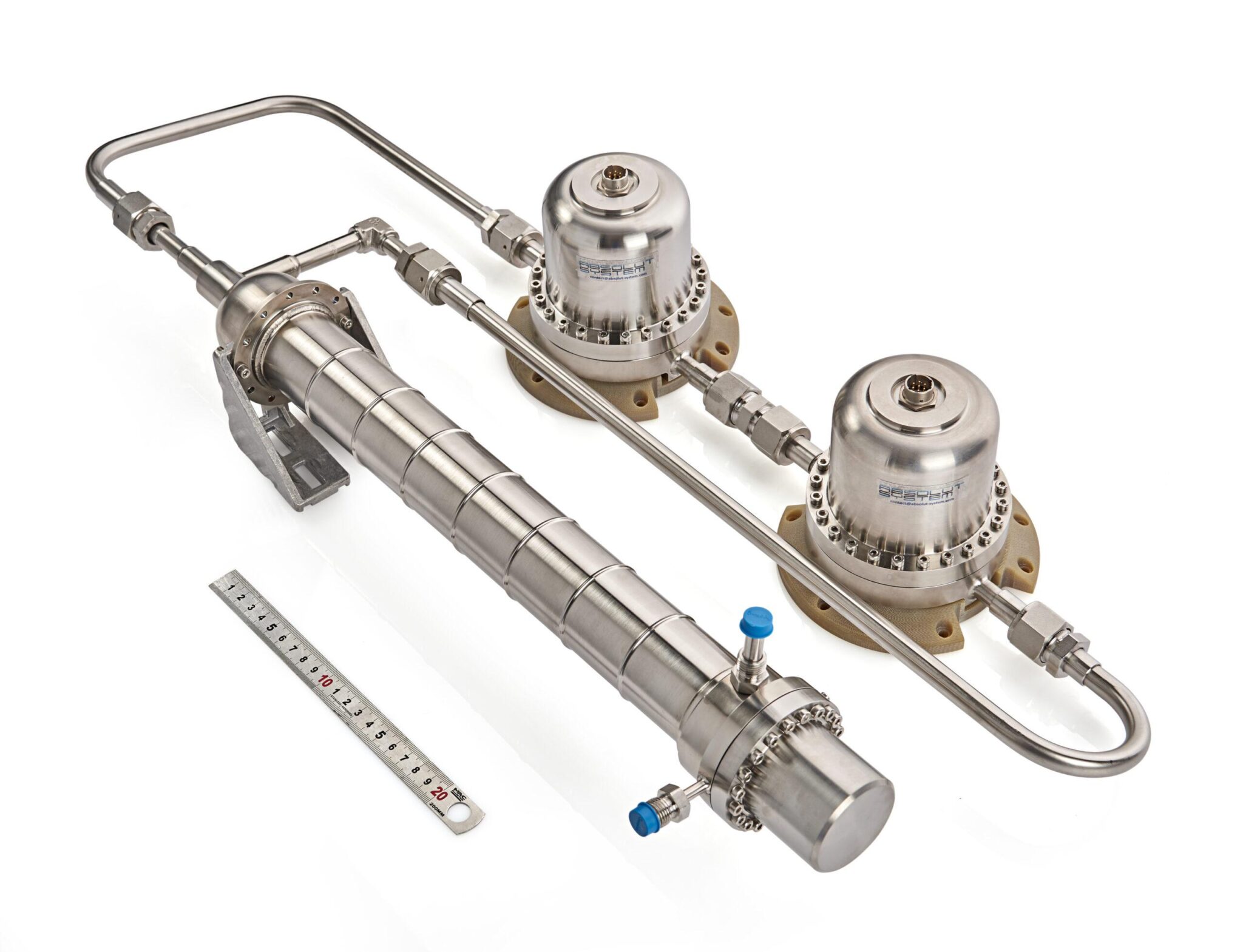
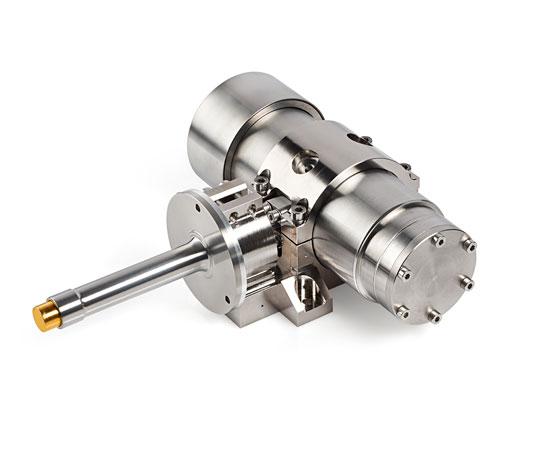
Our teams are working on the design of innovative cryogenic coolers based on Turbo-Brayton technology, with capacities never before available on the market, facilitating access to superconductivity (super-engines, mega-wind turbines, tokamak…).
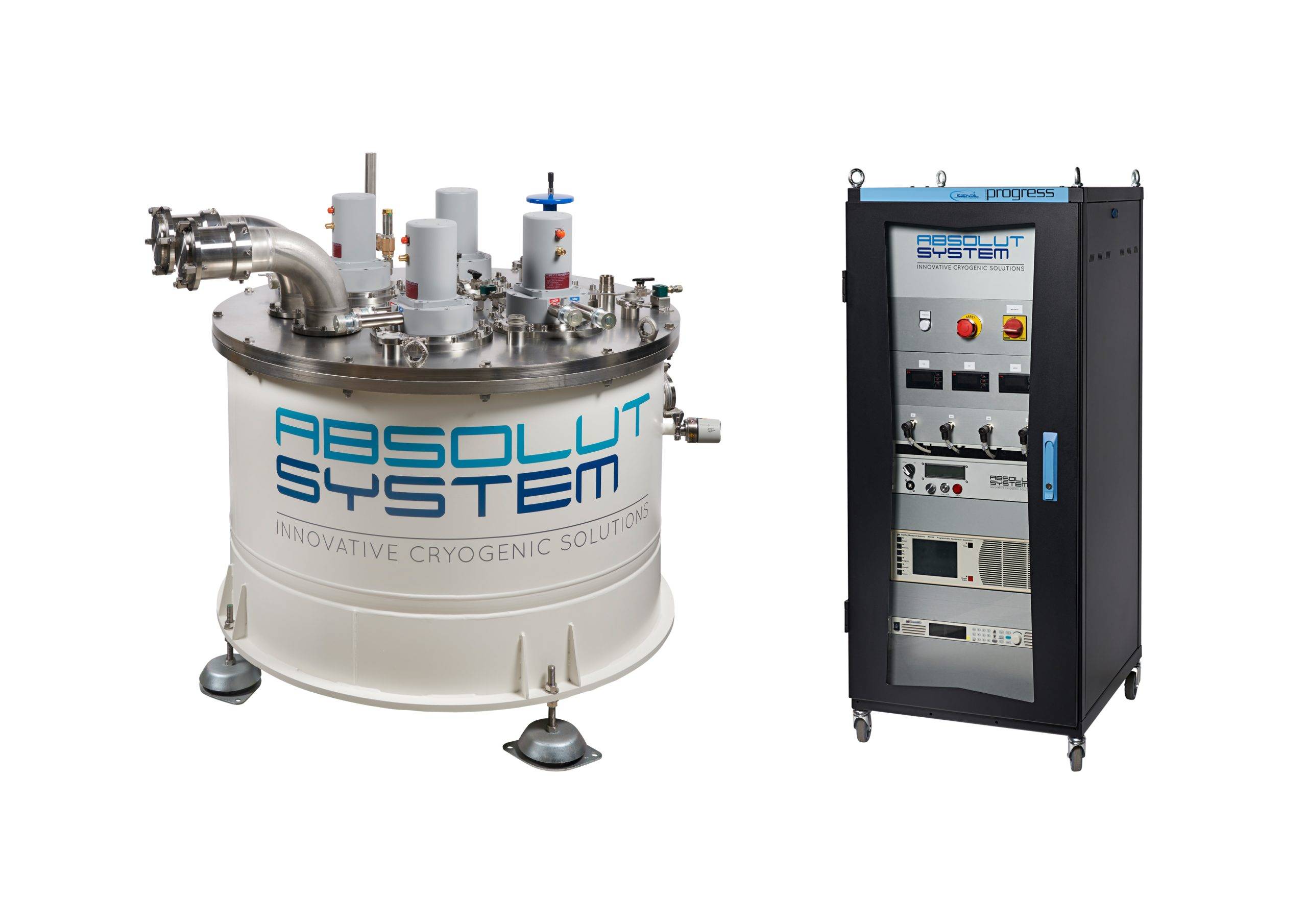
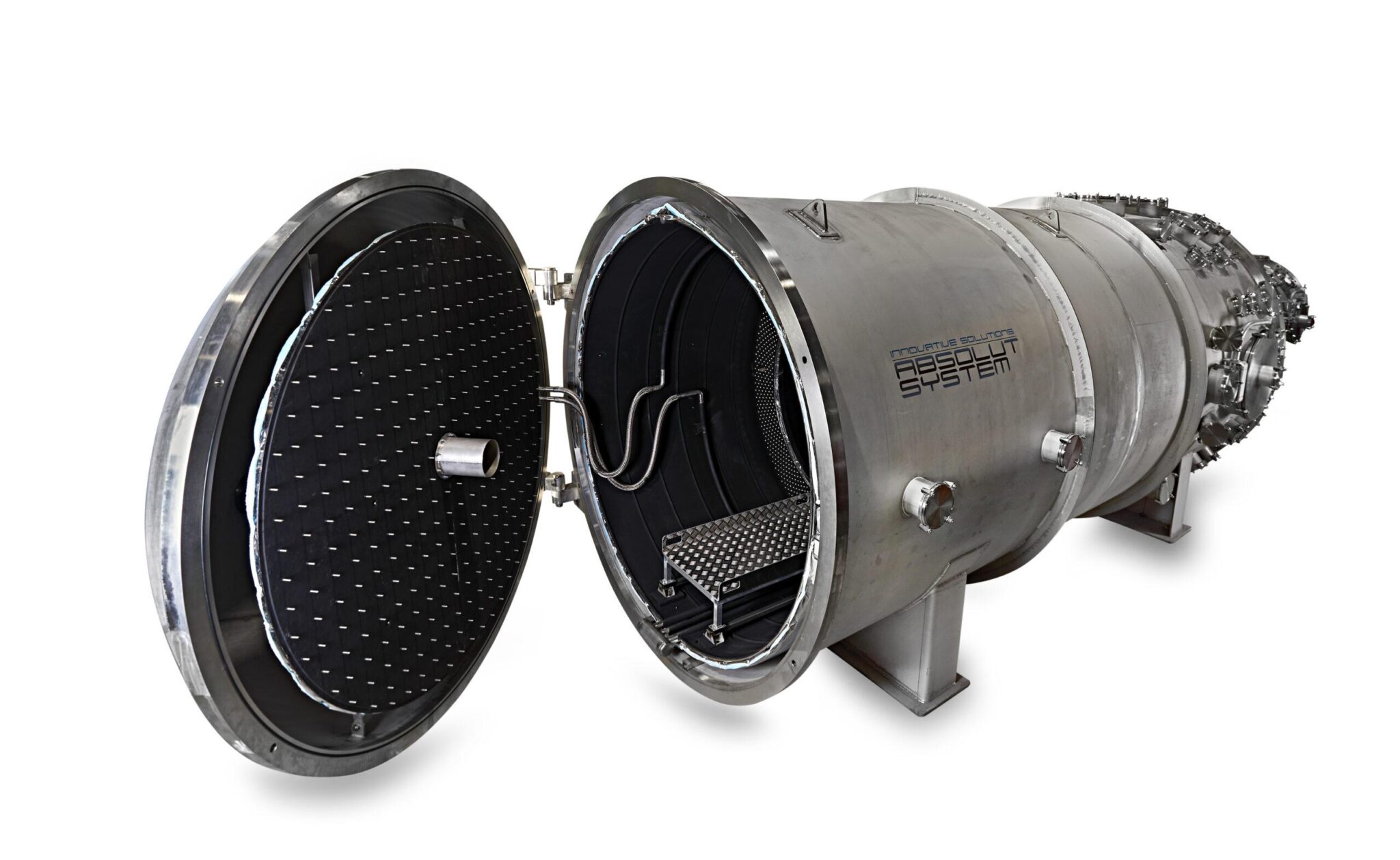
Our Turbo-Brayton cryogenic systems for land-based applications feature major innovations that make them easy to install on your sites. Compact, they are ideal for installation on constrained sites such as urban railway stations or airfields. Adapted to fit into a container, they are also easy to transport.
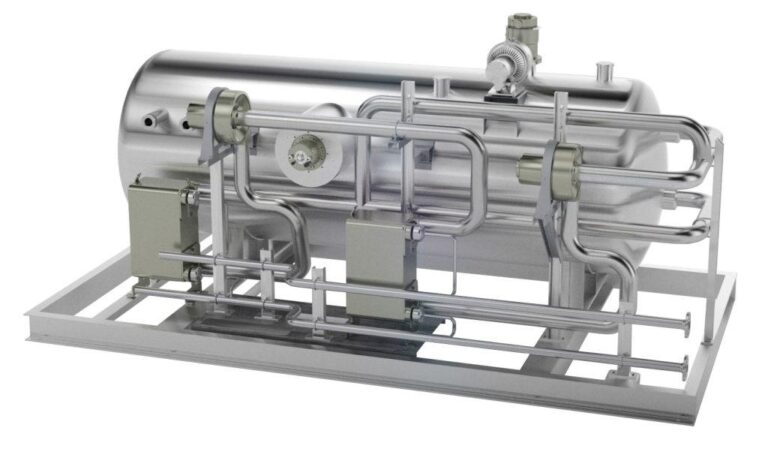
Autonomy
Absolut System guarantees that the entire system can be installed without the need for connection to an additional cold source.
Source LN2
Its adaptable configuration also enables connection to any external intermediate cold source (Stirling, liquid nitrogen, liquid methane, etc.). It adapts to all intermediate cold sources.
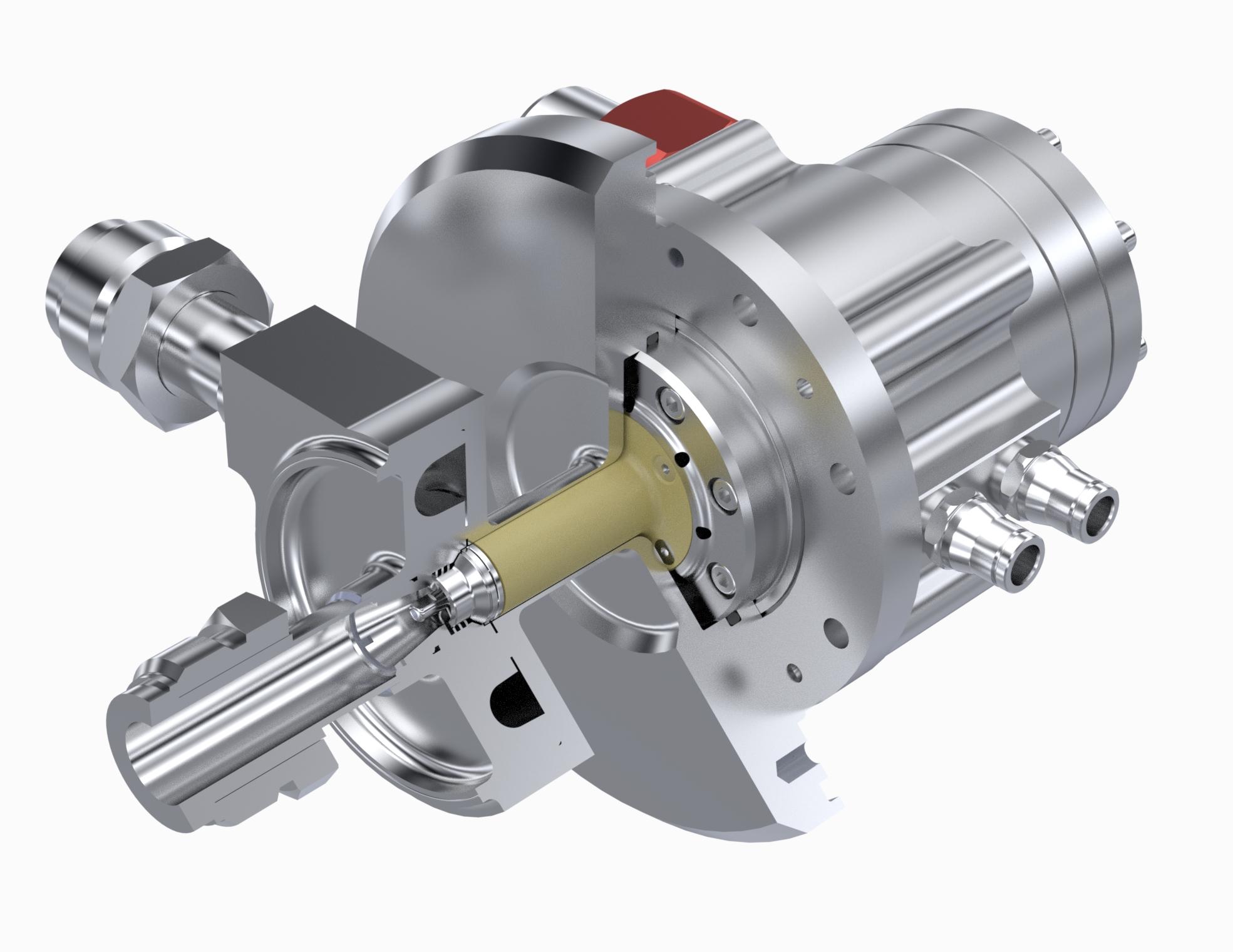
All our compressors use hydrodynamic gas bearing technology. This technology, mastered by Absolut System, gives our cryogenic systems greater durability by ensuring non-contact operation, drastically reducing the need for maintenance.
Tokamak:
Coil cooling for nuclear fusion
Supraconductivity:
Liquid hydrogen:
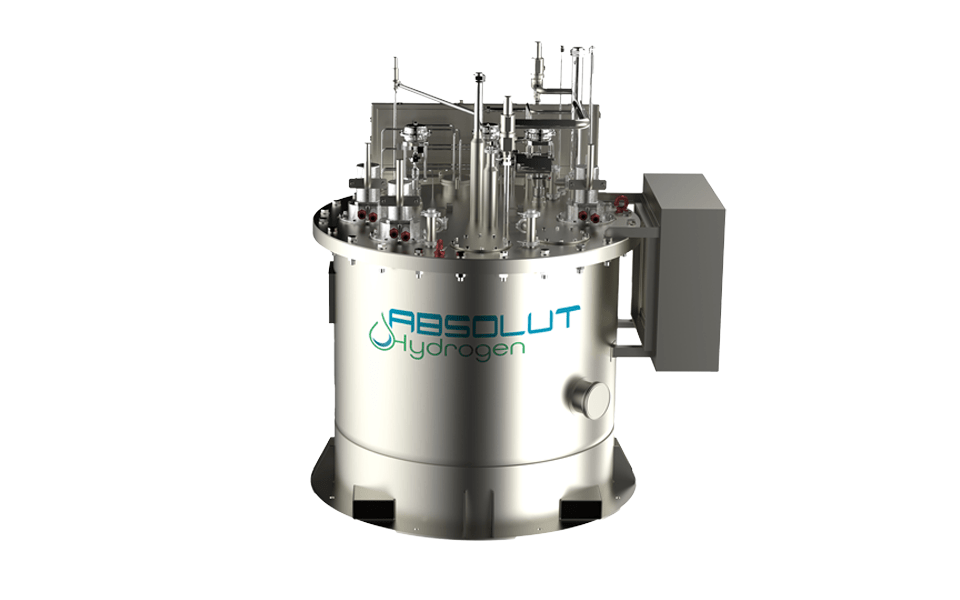
Hydrogen liquefaction on decentralized site (optional)
Using the same Reverse Turbo-Brayton technology, we also design hydrogen liquefaction systems. Find out more about our complete LIQUYD range on our Absolut Hydrogen website.
The cryocooler uses miniature high-speed turbomachinery and a high-efficiency heat recuperator to ensure efficient cooling with low vibration and high reliability.
This technology meets the increasingly stringent requirements for vibration-free mechanical stability. It offers the possibility of integrating cryogenic coolers with a different approach (cooling power distribution, cooling at different temperatures, pre-cooling). Absolut System’s Reverse Turbo Brayton offers a high-efficiency thermodynamic cycle over the 20K – 300K temperature range.
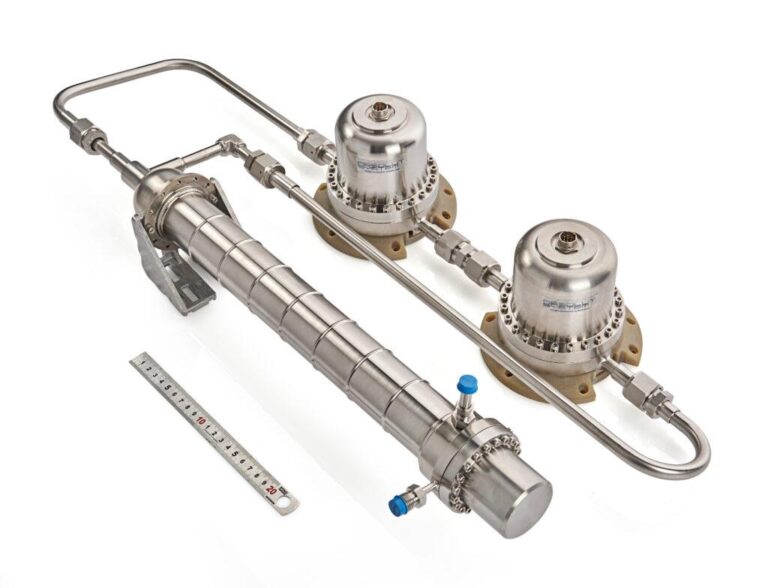
Operating frequency in excess of 2500Hz with precision-balanced, low-mass rotors.
Gas bearings for non-contact operation, ensuring a maintenance-free service life in excess of 10 years. Absolut System benefits from a 30-year heritage acquired through the integration of OFTTECH experts (TRL 9 technology with the MELFI project).
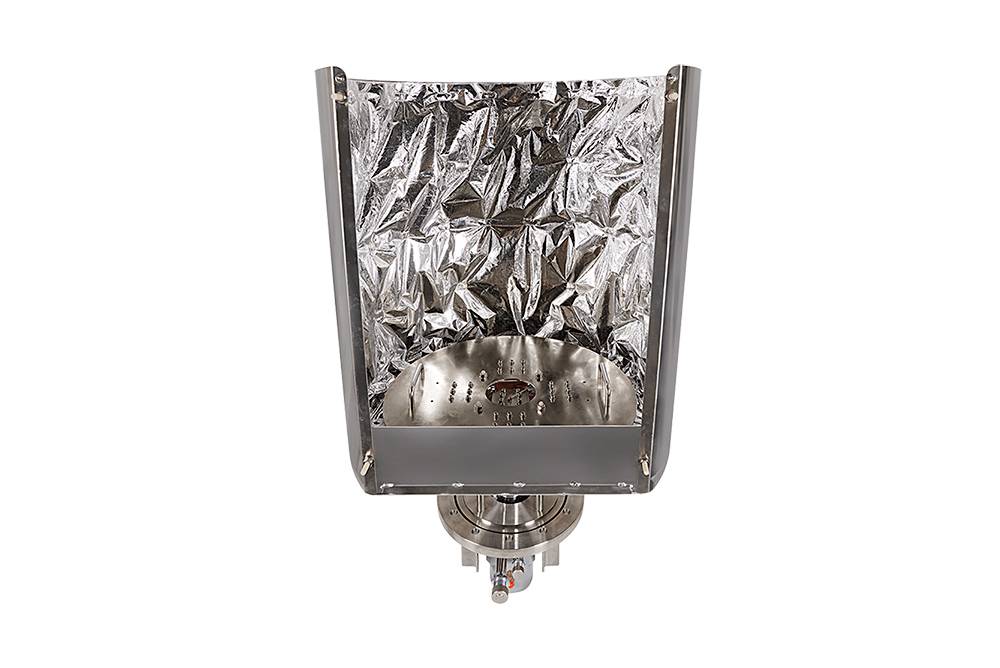
Possibility of pre-cooling with radiators. Flexible integration capability with large-area or dispersed cooling.
Cryogenic coolers for Earth observation missions must be capable of delivering significant cooling power at an operating temperature of around 50K (for IR detection). Conventional single-stage Stirling or Pulse Tube chillers are systems that involve low-frequency moving parts (in the compressor and in the Cold Finger for the Stirling) that induce microvibrations. Although active microvibration suppression, combined with careful selection and manufacture of cooler parts, can lead to low exported microvibrations (< 100mN in all directions at all harmonics), increasingly stringent requirements on induced microvibrations at system level can lead to very complex solutions to overcome this issue (e.g. suspended coolers and radiators, flexible thermal link assemblies that degrade overall thermal performance).
The Reverse Turbo-Brayton developed by Absolut System puts exported vibrations well beyond the critical bandwidth. Our turbomachinery specialists have designed miniature high-speed rotating machines and high-efficiency recuperators to ensure efficient cooling with low vibration and high reliability using hydrodynamic gas bearing technology.
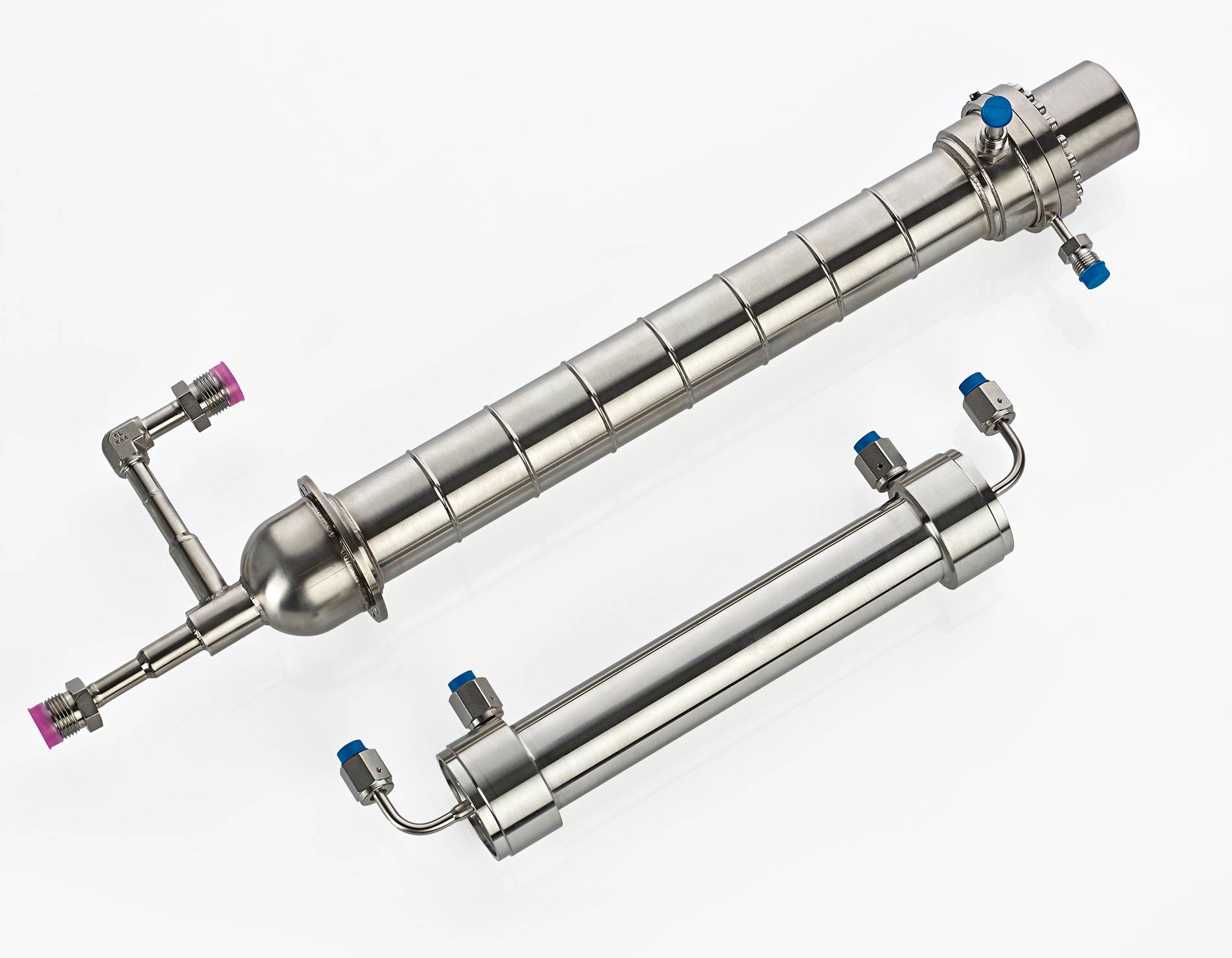
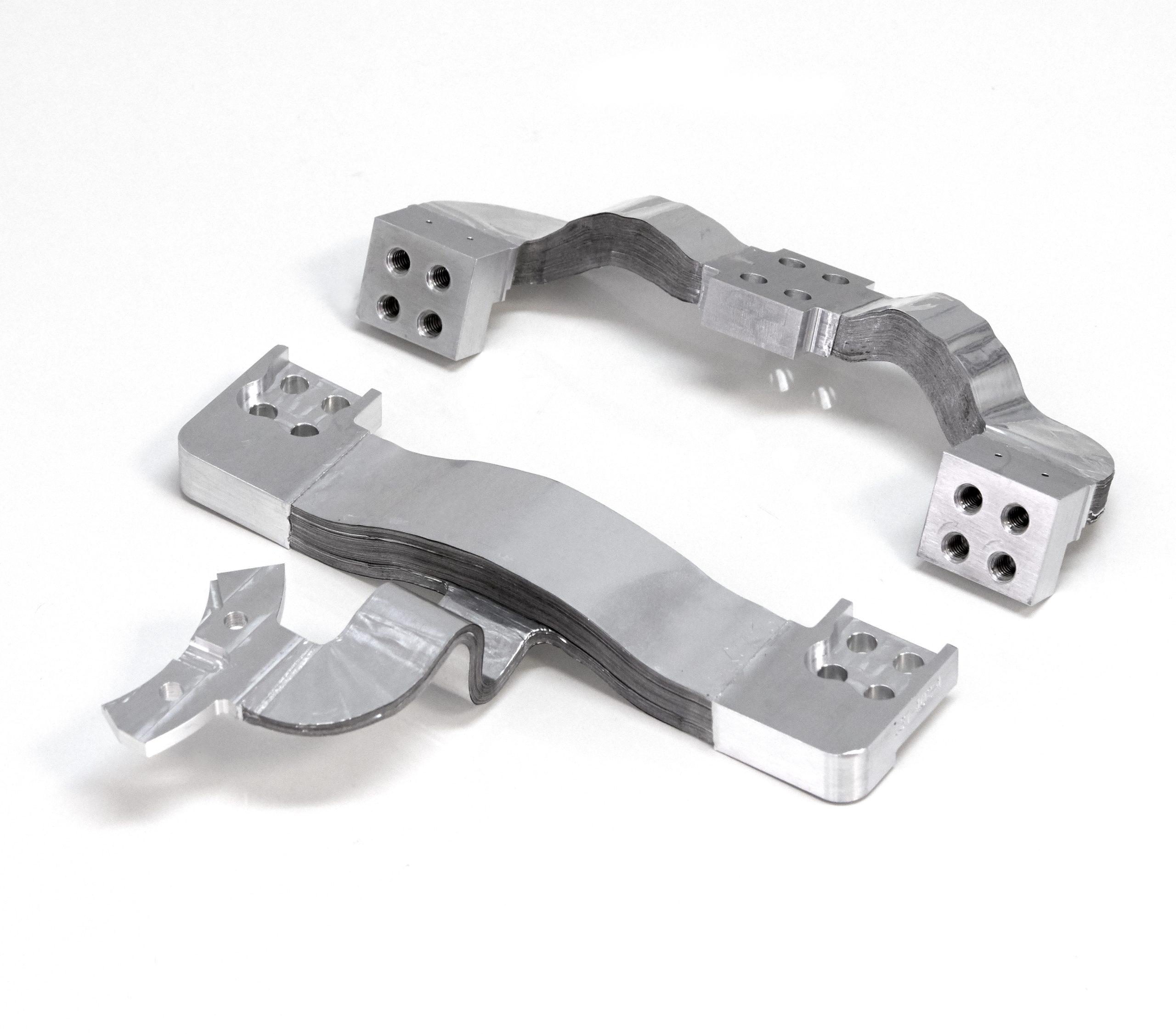
The Turbo-Brayton developed is arranged in a conventional configuration. It consists of a compression brick, a recuperative heat exchanger, usually an expansion turbine, and the thermal heat exchanger, interfaced with the customer’s application (focal plane, detector, heat shield, etc.). The compression brick can have different configurations: usually 2 compression stages, with a two-stage compressor or 2 single-stage compressors. All these components can be integrated into a compact unit, or spread over fairly large surfaces, interconnected by lengths of tubing. Refrigeration can be supplied to multiple loads at a single temperature, or at several different temperatures.
Type Ground
Rated power 1kW@20K
Dimensions 3m x 5.5m
Mass ~6t
Technical Leaflets Available soon
Type Spatial
Rated power 100W@40K / 375W@75
Dimensions Modular
Mass ~50kg
Technical Leaflets Available soon
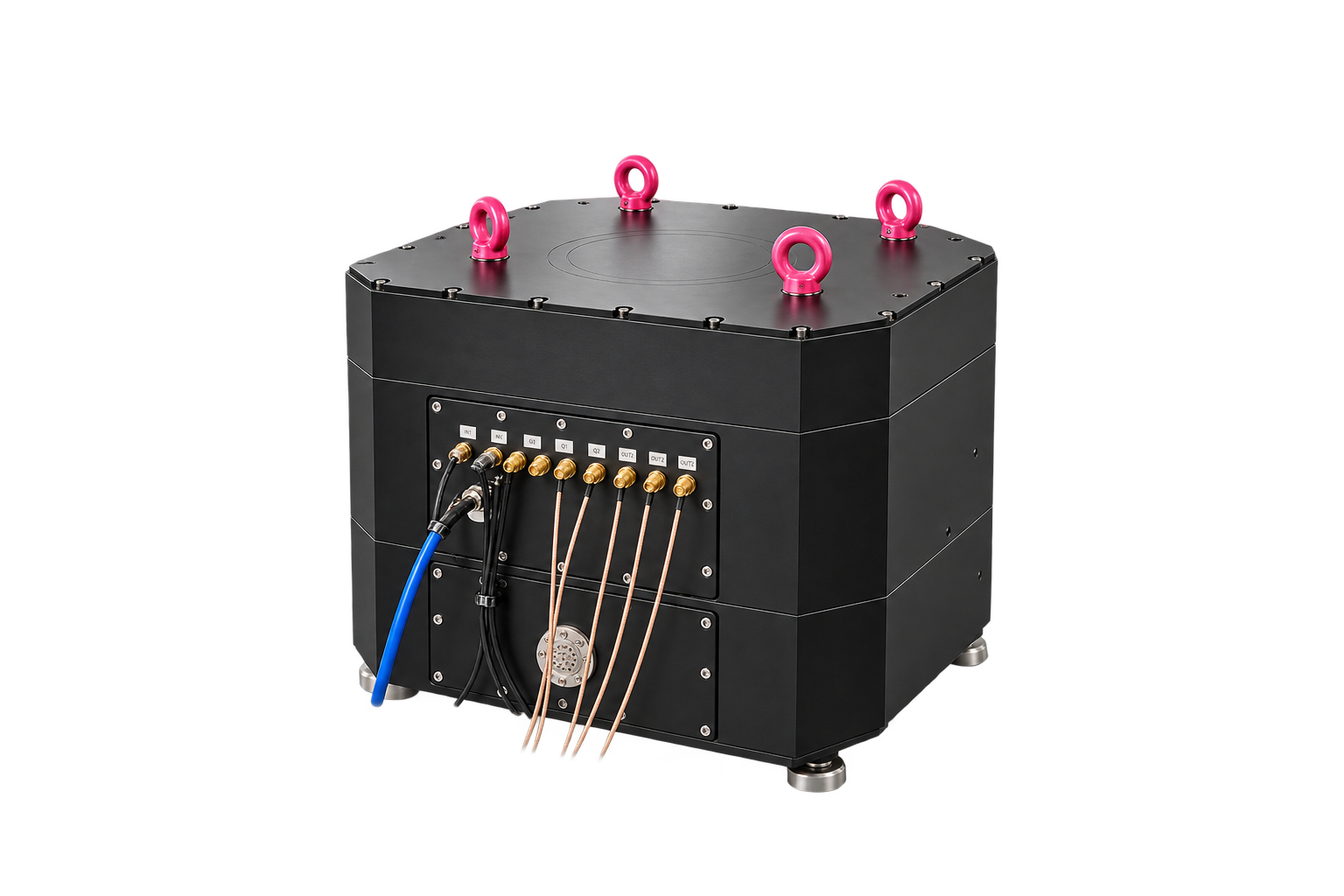
Absolut System develops and designs different types of cryogenic coolers to meet all your projects, whether on land or in space: Pulse-Tube, Turbo-Brayton, Gifford-McMahon or PTC1000.
Magnetohydrodynamic (MHD) system for controlling plasma on the surface of atmospheric re-entry spacecraft.