

Superconductivity
& Electronics

Discovered in the early 20th century by physicist Heike Kamerlingh Onnes, superconductivity is the state reached when a conductive material is cooled to very low (cryogenic) temperatures. In this state, the material can carry electric current with zero resistance, which dramatically reduces energy losses. Today, superconductivity is used in several sectors to lower energy consumption.

Superconductivity, a fast‑growing strategic sector

In recent decades, companies have significantly intensified their research into superconductivity and its applications.

Against a backdrop of global warming and the need to decarbonize energy and transport, superconducting solutions have become a major strategic lever. Reducing the energy consumption of the transport and data sectors is essential to address the accelerating climate crisis.

Superconductivity helps meet this challenge by eliminating the electrical resistance of materials, thereby reducing losses in power grids and improving overall efficiency. As a result, less electricity needs to be produced to deliver the same useful power, which in turn makes it easier to increase the share of renewable energies in the mix.

All materials used to carry electric current or to build motors and generators exhibit resistance, which leads to energy losses as heat. Once cooled to cryogenic temperatures, their properties can change and they can become perfect conductors of electricity, with no resistive losses. This phenomenon boosts the efficiency of power transmission by eliminating losses through heat dissipation. Very high current densities can then be achieved, enabling the generation of extremely strong magnetic fields.

Using superconductors to generate high magnetic fields paves the way for new scientific instruments to better understand fundamental physics, the universe, and the production of clean energy.

Application fields of superconductivity

The phenomenon of superconductivity applies to several fields:

Energy transport and storage

Development of high‑power superconducting generators and motors, enabling cleaner, low‑carbon mobility and more efficient power networks.

Nuclear fusion

Nuclear fusion combines hydrogen atoms without long‑lived radioactive waste. This reaction takes place inside a tokamak, a toroidal chamber where temperatures reach many millions of degrees. The particles in the plasma, being electrically charged, can be confined and controlled using powerful magnetic fields generated by superconducting magnets.
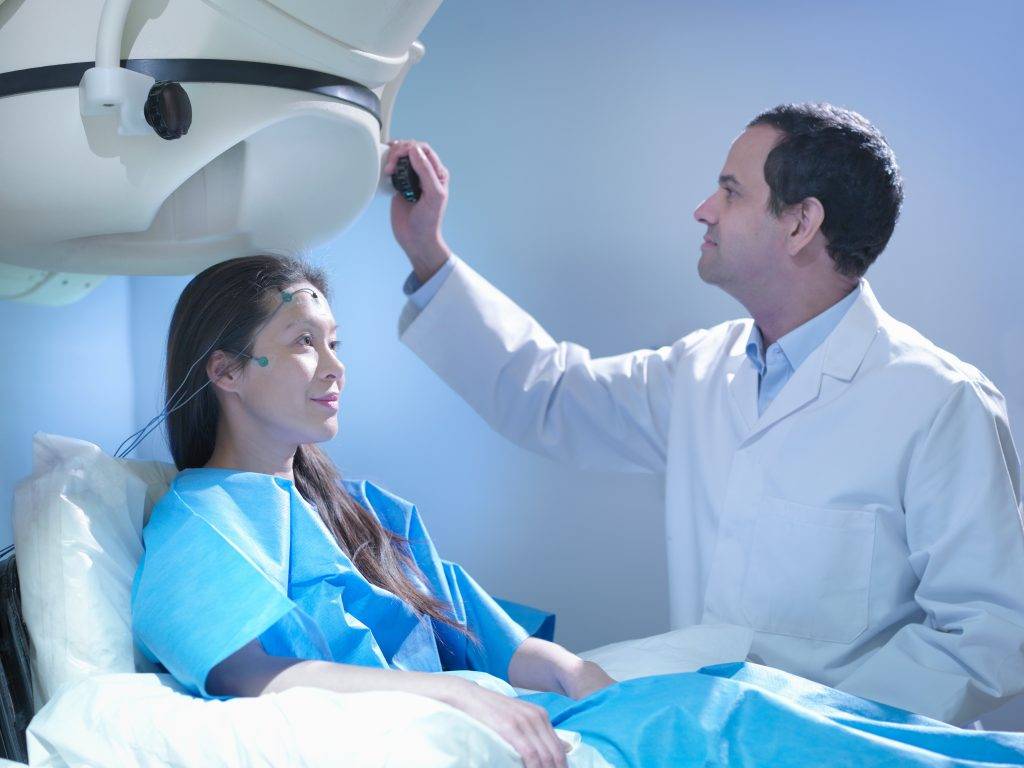
Medical imaging

Superconductivity plays a key role in medical imaging. Superconducting sensors provide the sensitivity needed to measure extremely weak magnetic fields (for example in magnetoencephalography). It is also at the heart of MRI and NMR systems, which rely on strong, stable magnetic fields generated by superconducting magnets.
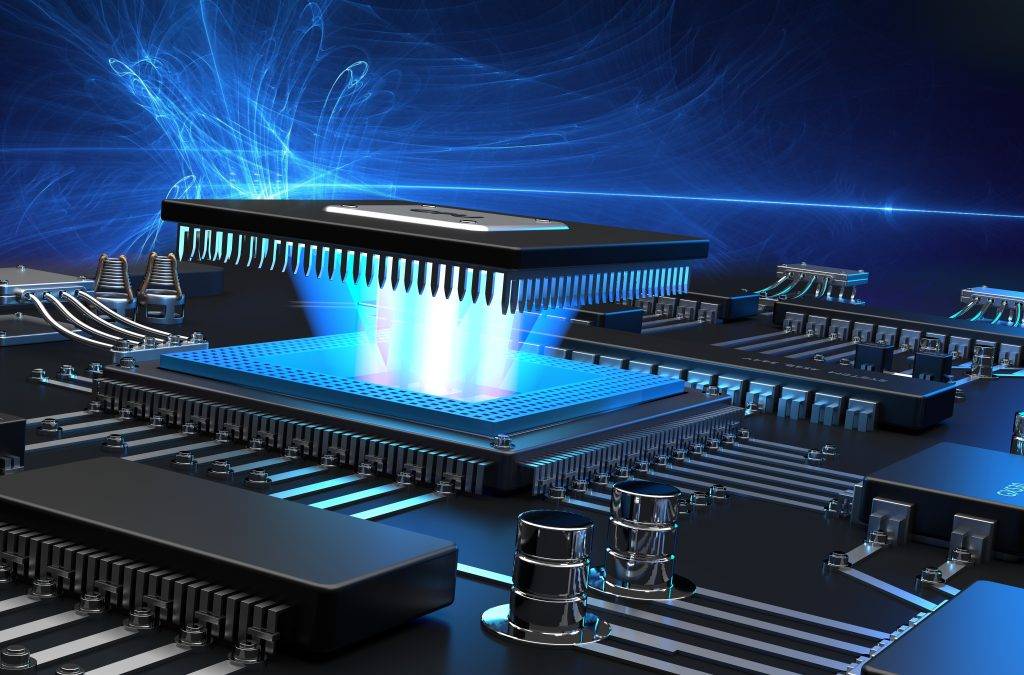
Electronics and data management

Superconductivity can increase computing power while reducing energy consumption. Quantum electronics enables the development of "supercomputers" capable of performing far more calculations, much faster, with lower power requirements than conventional architectures.
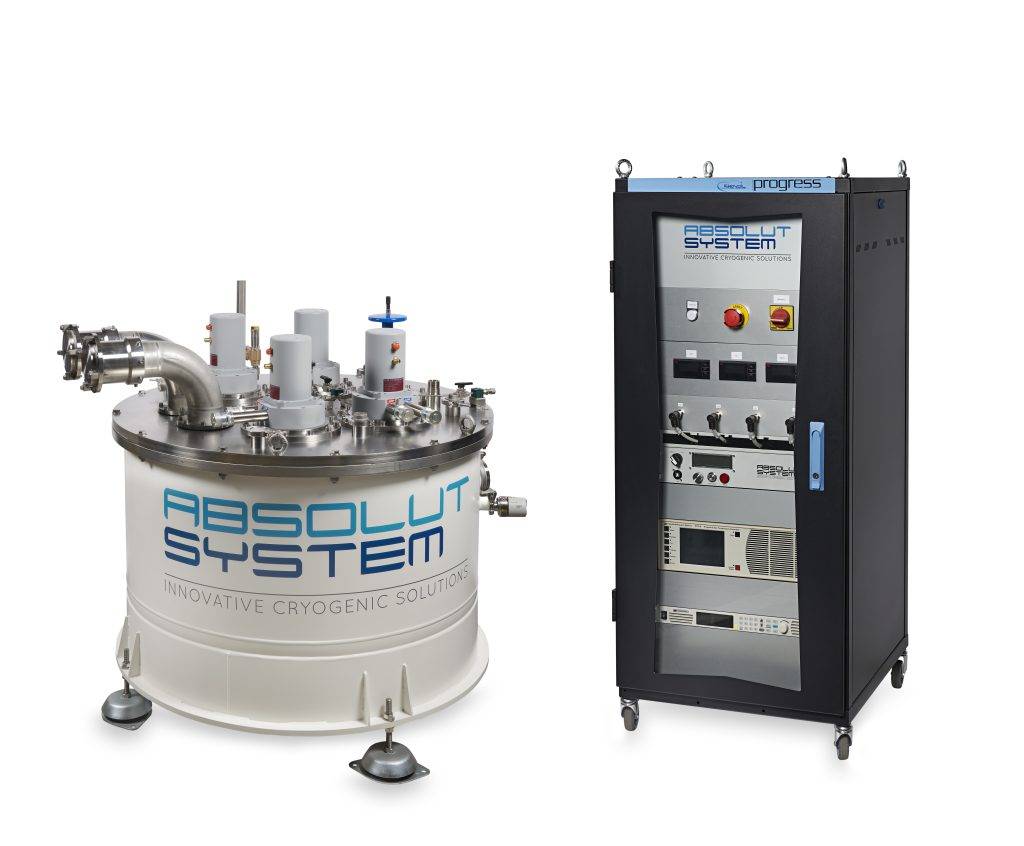
Our expertise in developing superconducting solutions

Cooling superconducting coils

Today’s superconducting magnets operate at low temperatures and require cooling with helium (He).

Absolut System designs complete systems based on closed-loop cryogenic helium circulation loops to cool your superconducting magnet at a controlled speed.

Nuclear fusion

Cooling superconducting coils to generate the confinement fields required in tokamaks.


Research & development for quantum electronics

Through its design office of highly qualified engineers, Absolut System contributes to research and development in quantum electronics using cryogenics. 

Our goal is to cool computer electronic components down to cryogenic temperatures, thereby boosting computing power while reducing power consumption.


Our cryogenic expertise

Absolut System is a key player in the development and supply of innovative cryogenic systems for superconducting technologies. Building on more than 10 years of cryogenic know‑how, we design high‑performance cooling systems that support the deployment of superconducting installations.

Objective

Our goal is to design systems that address the need for more efficient energy distribution, decarbonized transport, and the challenges of increasing urban density.

Our design office, made up of more than 30 engineers, innovates in the field of superconductivity by developing technological building blocks that give you access to superconductivity in research, mobility, and digital applications.


Our teams work on energy transport solutions by providing cryogenic systems tailored to your power requirements, supporting you from feasibility studies through to on‑site installation.