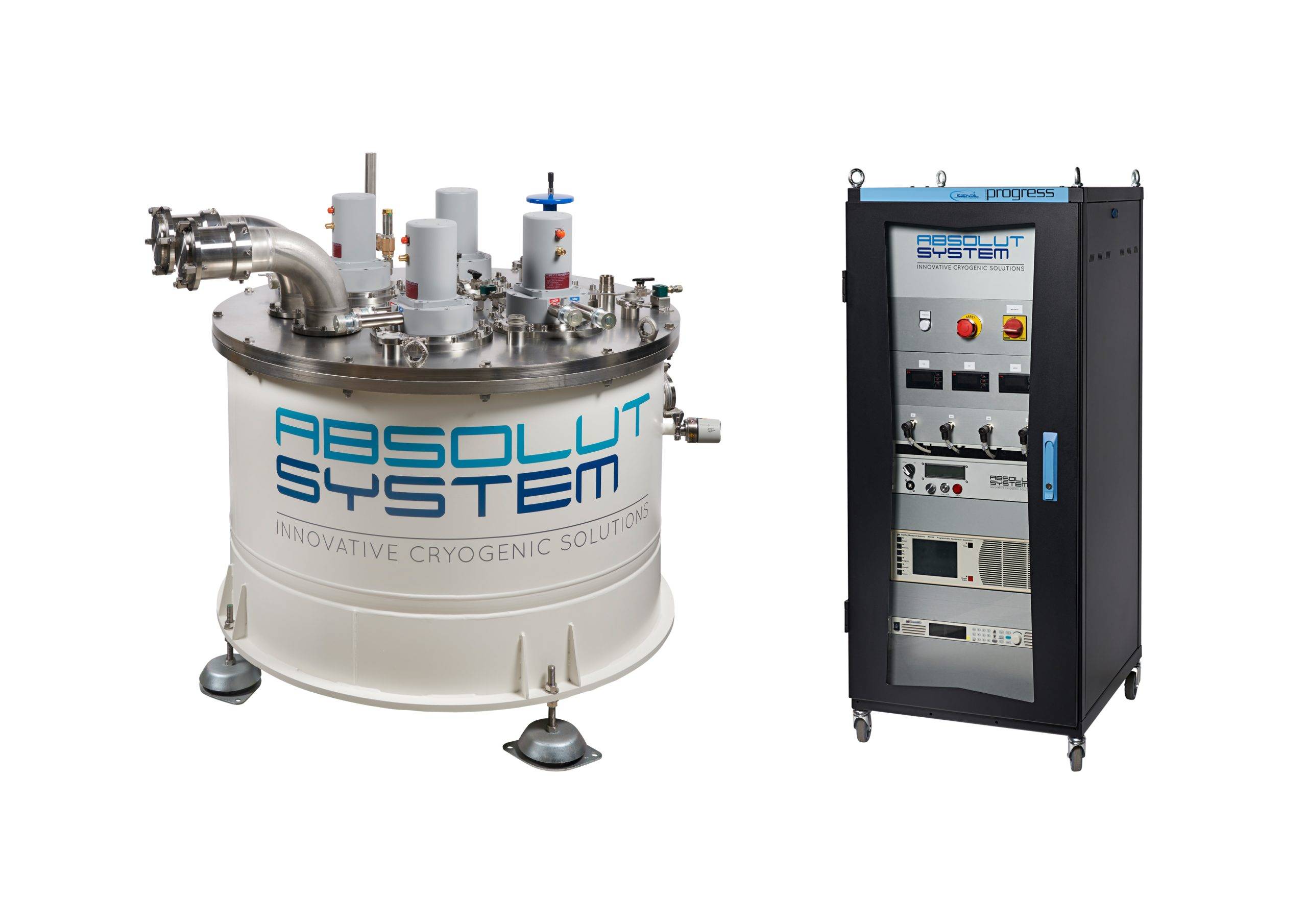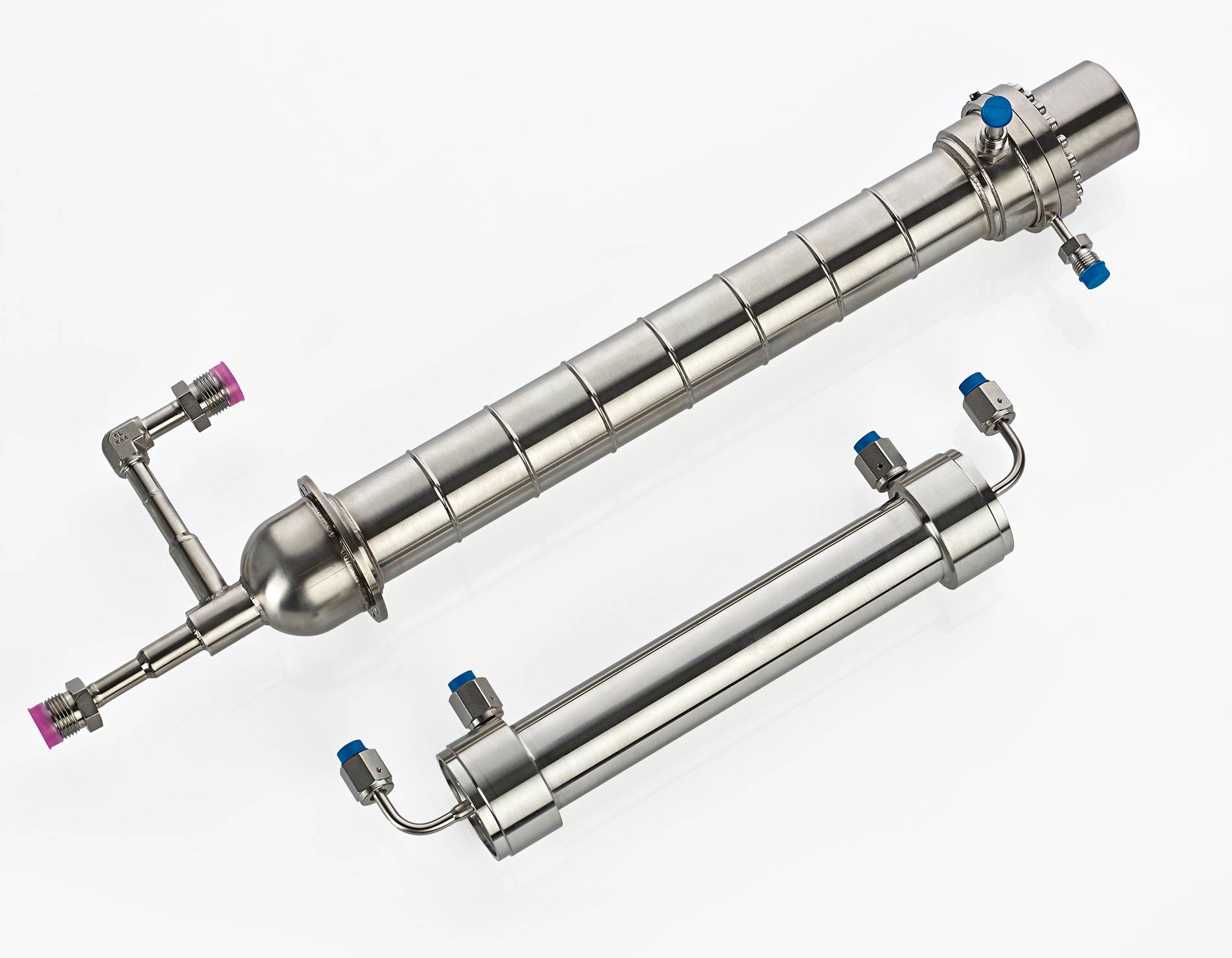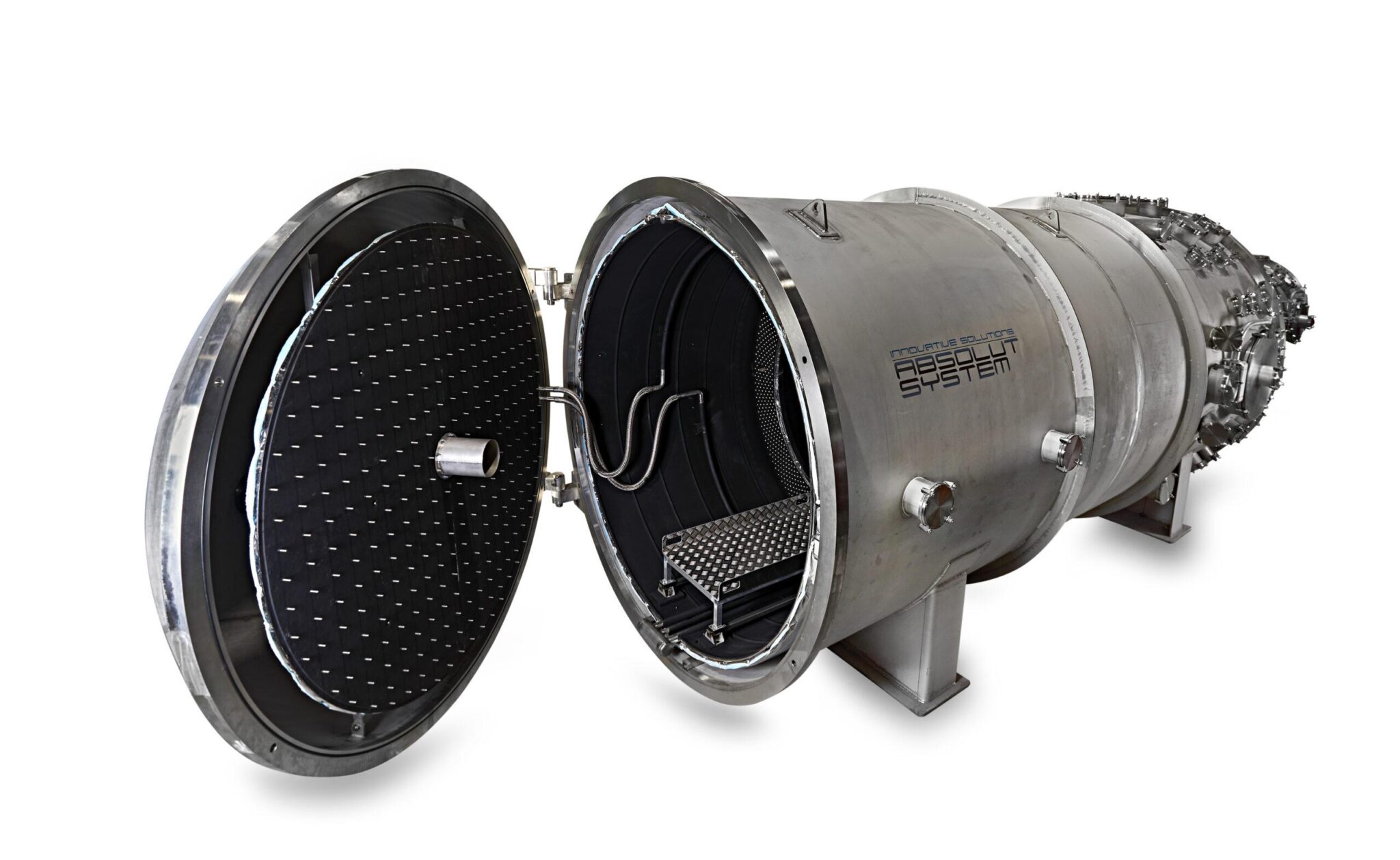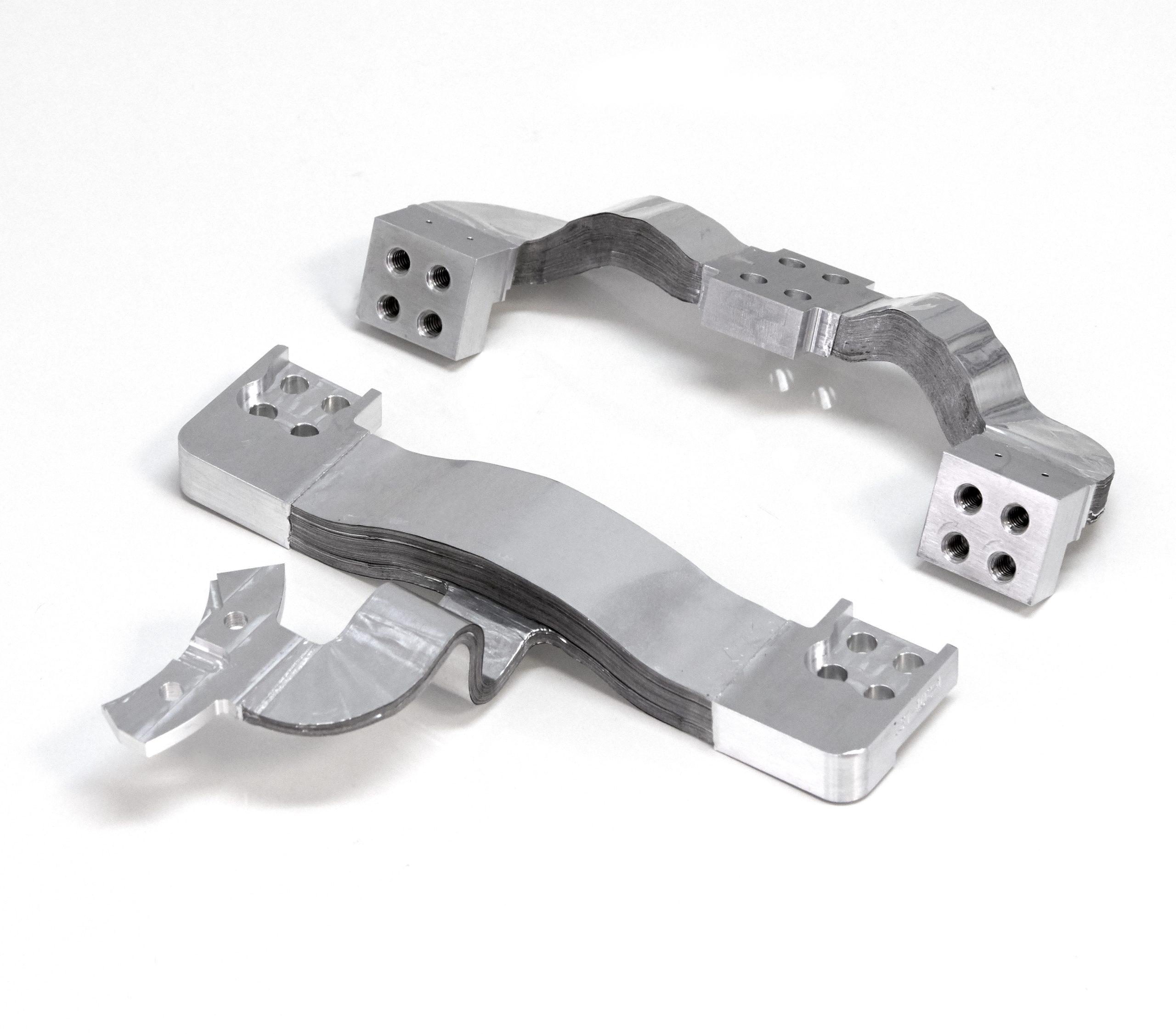
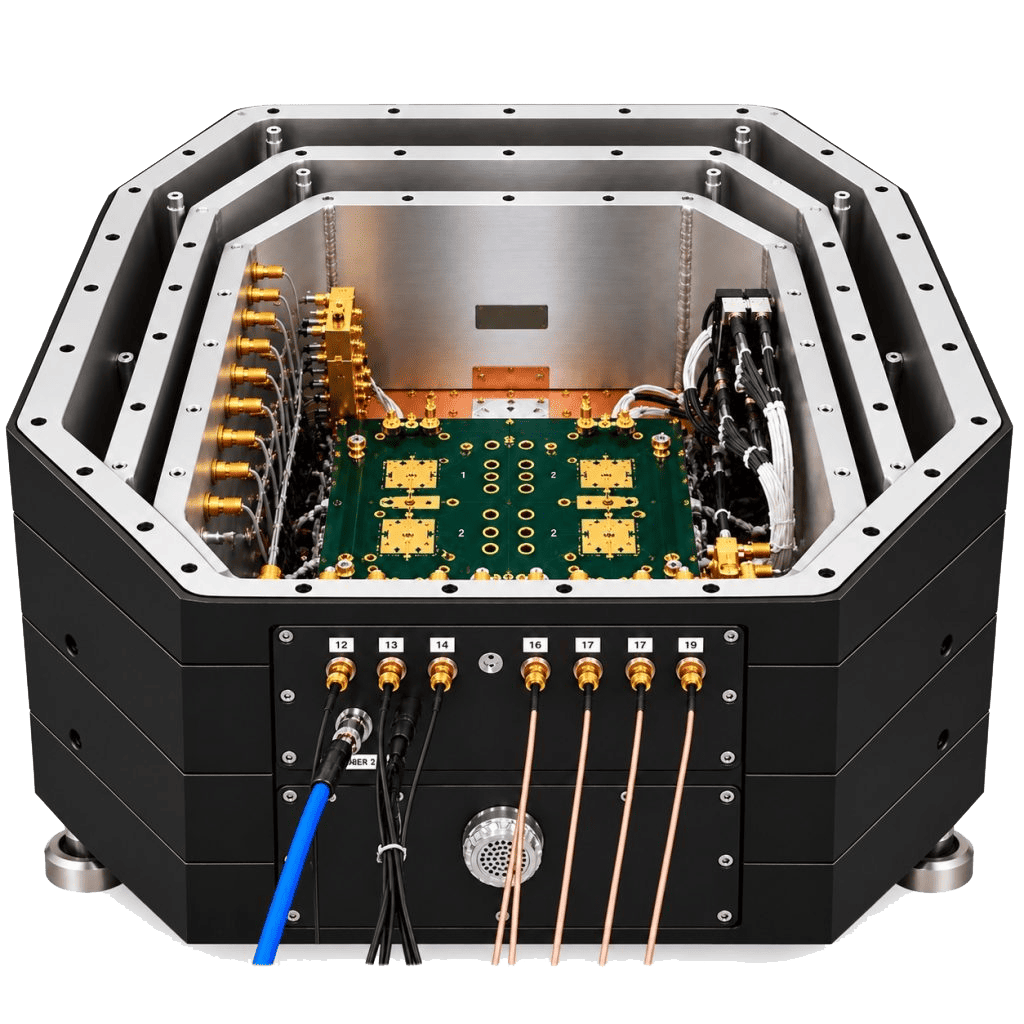
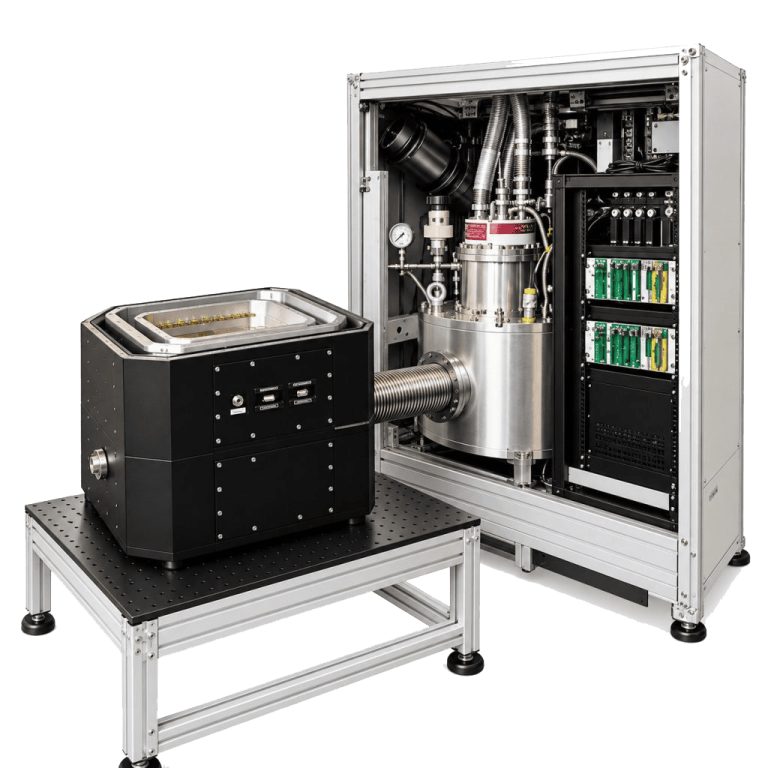
High cooling power. Low vibration. More integration space. Easy QPU access. Industrial-grade operation. An architecture designed for scale-up.
Quantum processors have very different cryogenic requirements depending on their technology, architecture and level of maturity.
As QPUs scale, increasing qubit counts, connectivity, thermal loads and integration density create new challenges in cooling power, thermal management, RF and DC connectivity, magnetic environment, mechanical integration, automation, reliability and maintainability.
QCube® is Absolut System’s product line of QPU Integration Platforms, designed to address these challenges and support QPU manufacturers from their first development platforms through industrialisation and future large-scale quantum infrastructures.
QCube® is based on a structured product architecture combining the cooling power available at the target operating temperature with a defined temperature class.
This provides a clear and scalable product baseline while maintaining the flexibility required to adapt each platform to the specific QPU architecture.
QCube® architectures are engineered to deliver the required cooling power at the QPU operating temperature — from millikelvin environments to high-power sub-Kelvin and Kelvin systems.
Cooling power @ Tbase | Class 1 < 30mK | Class 2 [30 ; 400mK] | Class 3 [400 ; 700mK] | Class 4 [700 ; 3K/4K] |
|---|---|---|---|---|
Kelvin High-Power platform
1 W-class QPU Integration
Platform for high-power Kelvin range quantum applications.
QCube® 1000-C4 addresses quantum applications requiring high cooling power in the Kelvin temperature range.
As with all QCube® platforms, the architecture can be adapted according to the QPU thermal
requirements, interfaces and system environment.
Sub-K High-Power platform
100 mW-class QPU
Integration Platform for high-power sub-Kelvin quantum applications.
QCube® 100-C3 is designed for quantum processors requiring significantly higher cooling power at sub-Kelvin temperatures.
It combines high cooling performance with a complete QPU integration environment designed around the processor architecture.
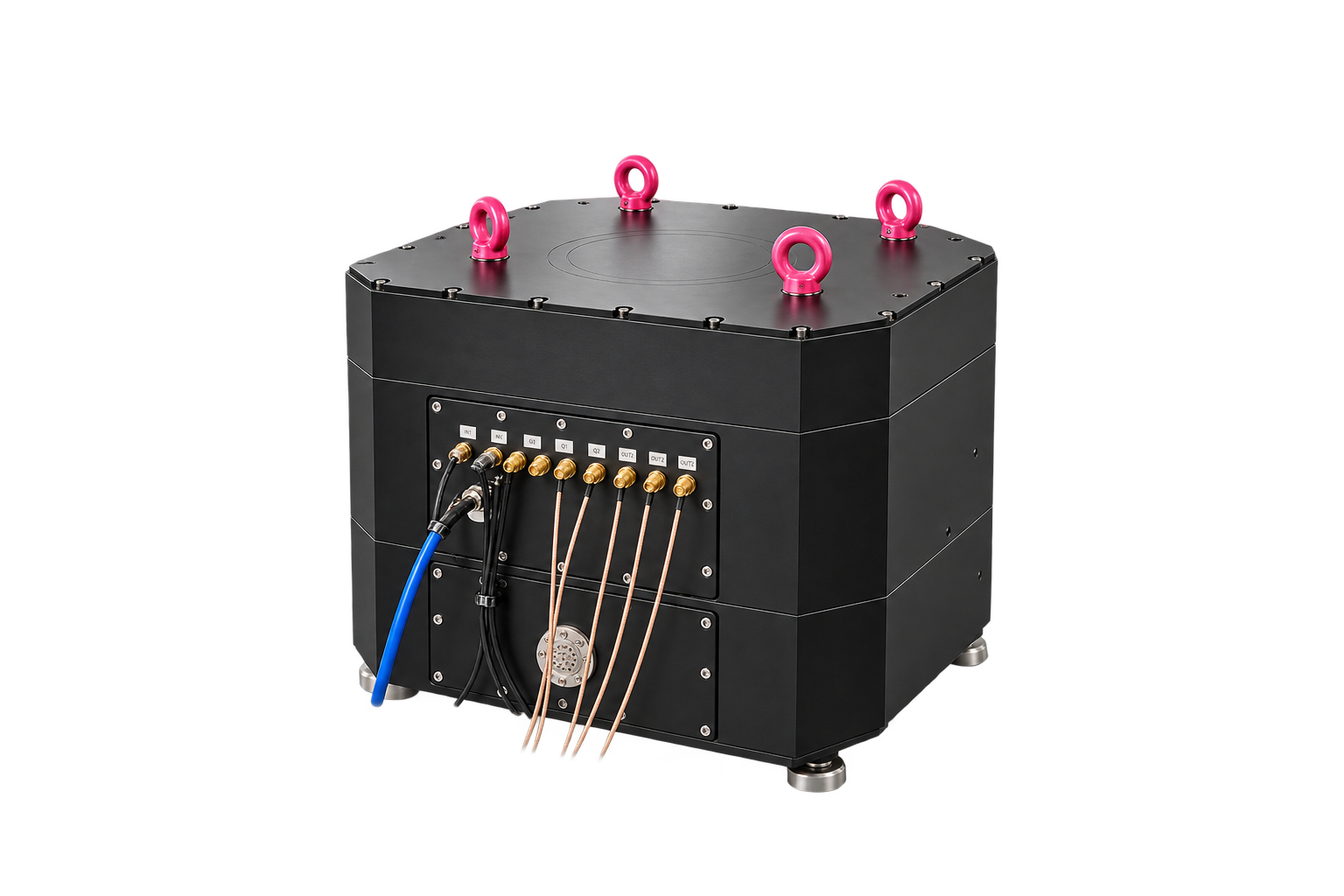
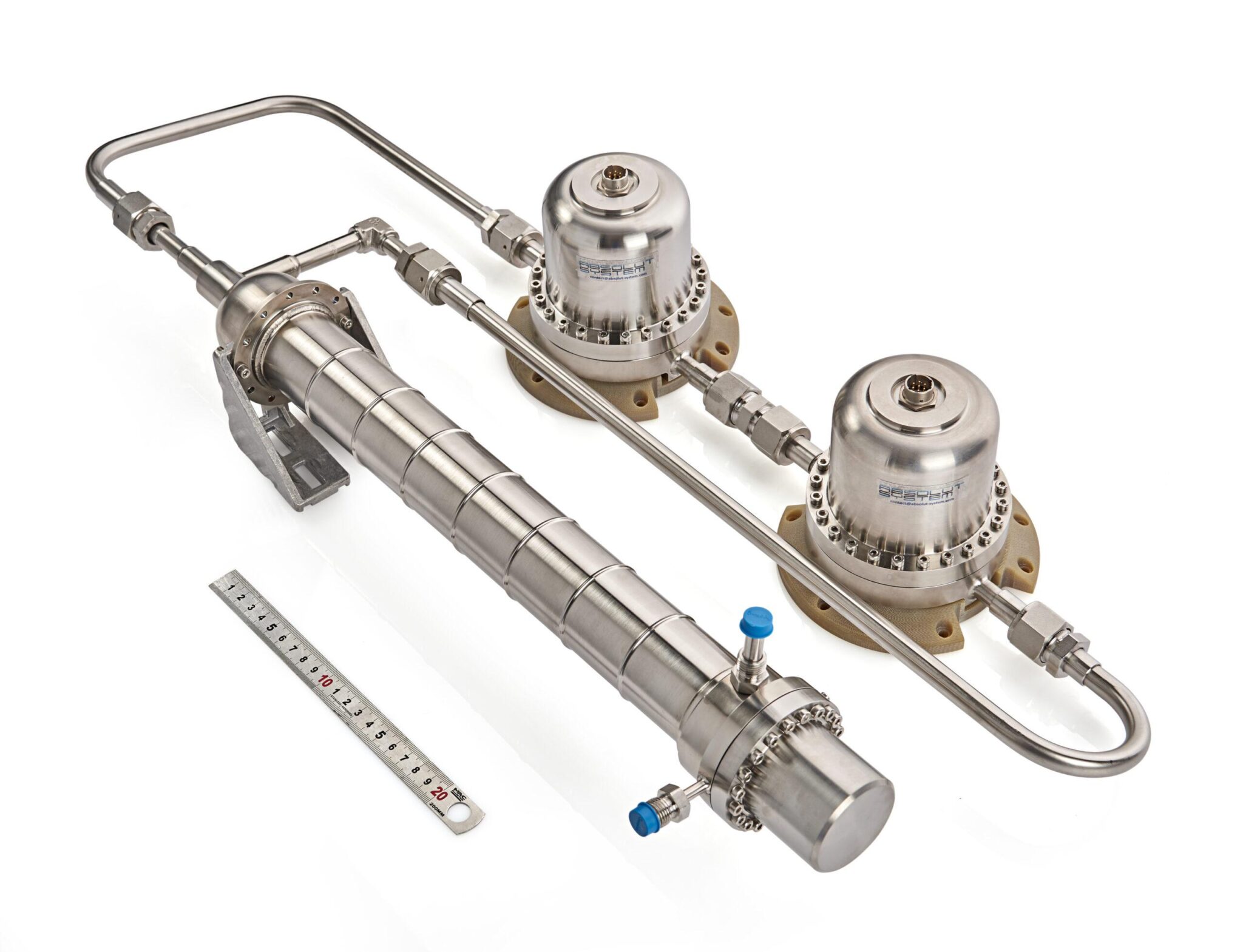
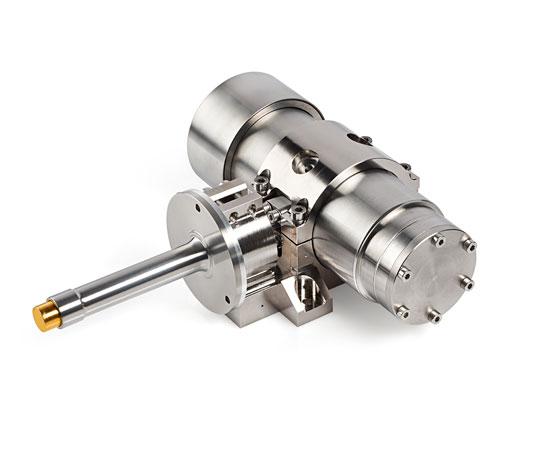
The platform can be configured according to QPU requirements including thermal architecture, RF and DC connectivity (>200 lines), optical interfaces, magnetic environment, mechanical integration, instrumentation and control. AS designs and manufactures side-loaders assembled with DC and RF lines.
Our approach starts with the QPU requirements — not with the cryostat
Remote Cryogenic Architecture
A platform approach designed for configuration
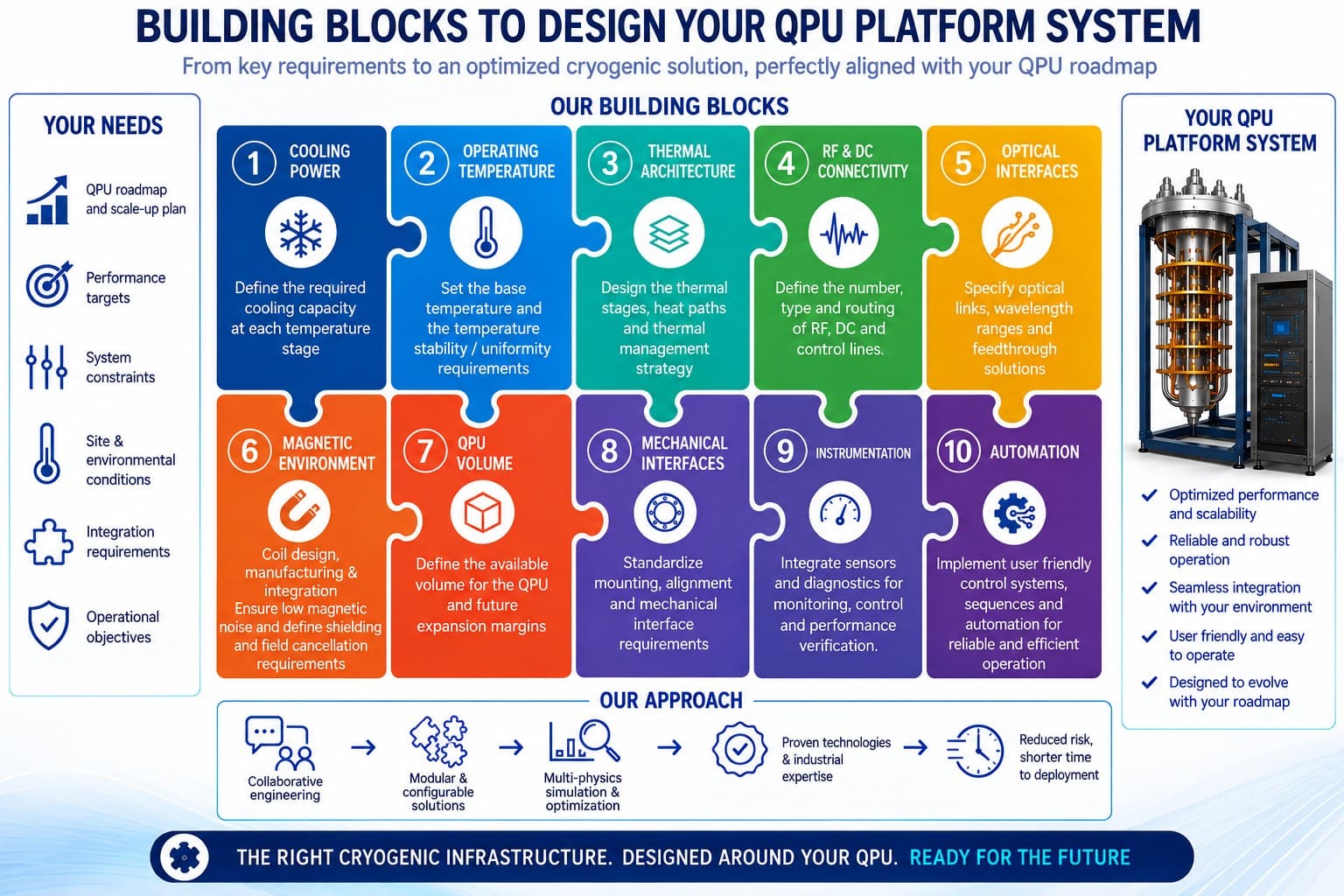
QCube® is not a fixed catalogue of cryostats/fridges.
The standard product line provides qualified architectural and technological building blocks that form the starting point for each QPU Integration Platform.
From this baseline, Absolut System can adapt the platform according to the customer’s requirements:
Cooling power • Operating temperature • Thermal architecture • RF & DC connectivity • Optical interfaces • Magnetic environment • QPU volume • Mechanical interfaces • Instrumentation • Automation
Why QCube® is Different
QCube® platforms are designed from the QPU outwards.
Rather than considering the quantum processor as a payload installed inside a conventional cryostat architecture, Absolut System engineers the complete cryogenic environment around the QPU, its interfaces, its operation and its future evolution.
Remote Cryogenic Architecture
Keeping cryogenic utilities away from the QPU
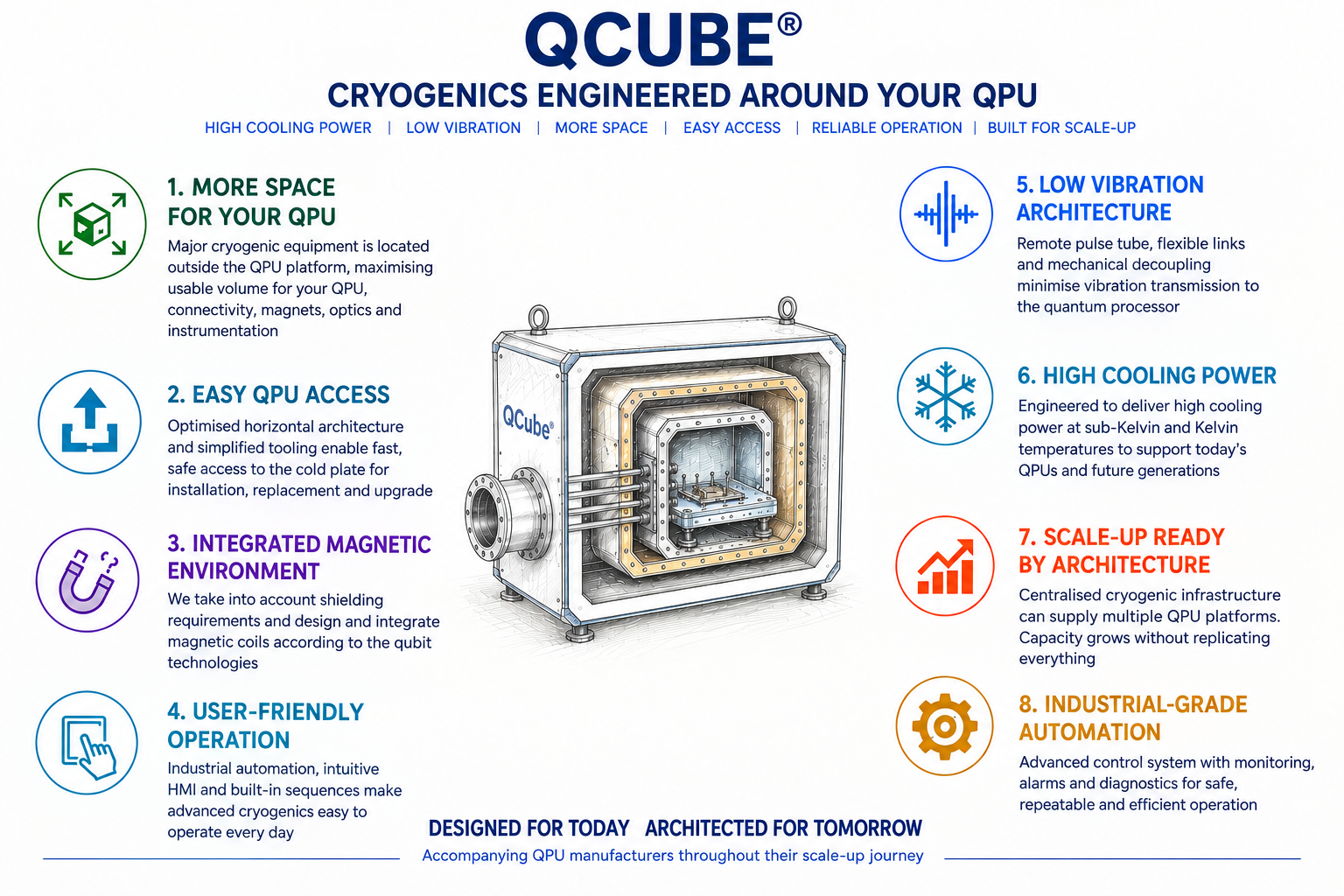
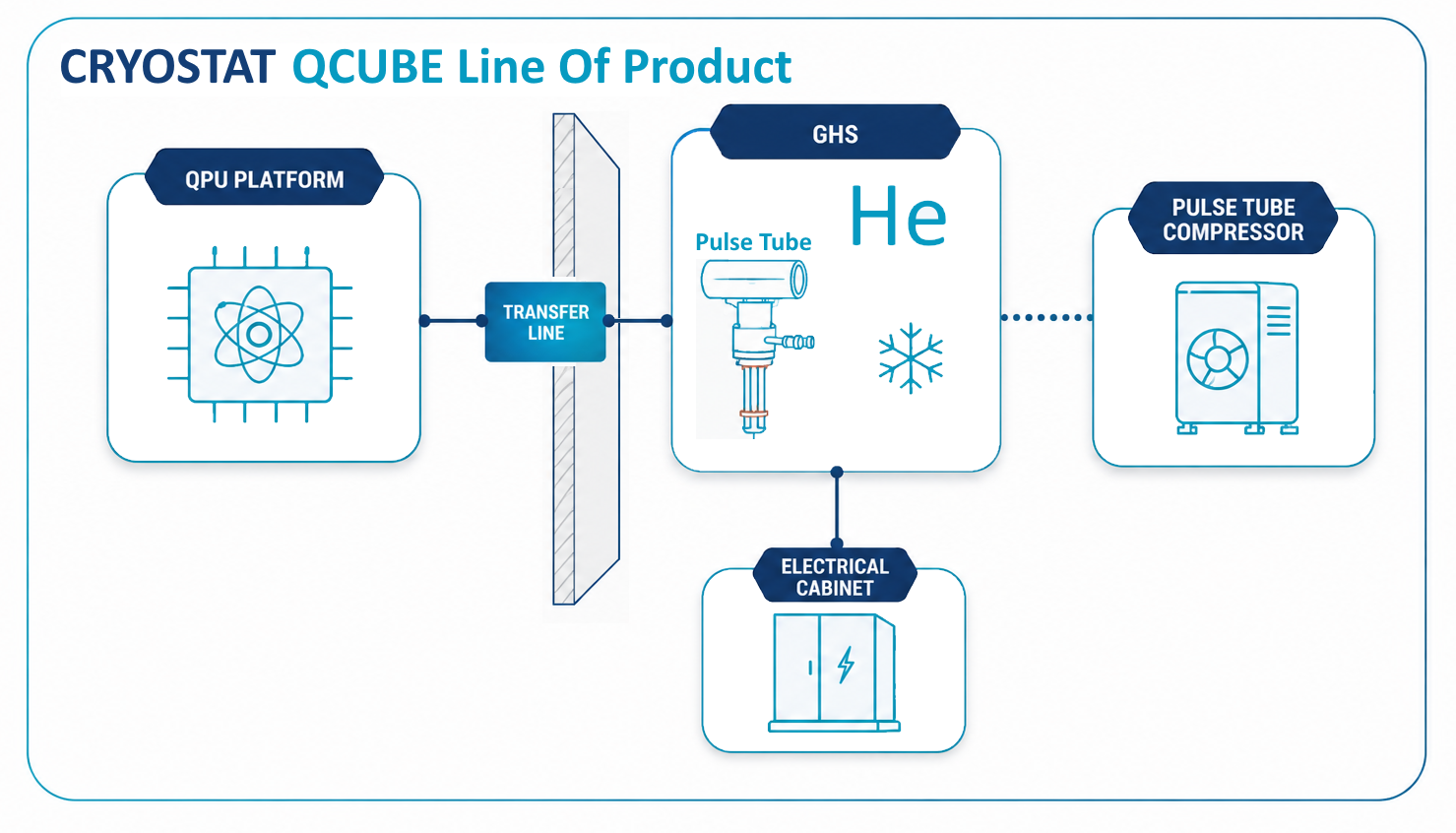
One of the key architectural features of QCube® is the physical separation between the QPU Integration Platform and the main cryogenic utilities.
The pulse-tube cold head is located outside the QPU Integration Platform, within a dedicated Cold Box.
The Cold Box and Gas Handling System (GHS) can also be installed in a separate technical room, away from the QPU Integration Platform.
This architecture provides several benefits: Lower vibration transmission • More QPU integration space • Greater installation flexibility • Remote technical utilities
It also facilitates the integration of QCube® within laboratory, HPC and future data-centre environments.
Low-Vibration QPU Environment
Keeping one of the main vibration sources away from the quantum processor
Mechanical vibrations can directly affect the performance of sensitive quantum systems.
By locating the pulse tube outside the QPU Integration Platform, QCube® physically separates one of the main sources of mechanical vibration from the QPU environment.
The mechanical and cryogenic architecture is designed to limit vibration transmission to the quantum processor and avoid resonances within critical QPU operating frequency ranges.
Remote cold generation → Reduced vibration transmission → More stable QPU environment
More Space for Your QPU
The cryogenic system adapts to the processor — not the opposite
Removing major cryogenic equipment from the QPU Integration Platform frees valuable integration volume around the quantum processor.
This space can be dedicated to: QPU packaging • RF connectivity • DC connectivity • Optical fibres • Magnetic systems • Thermalisation • Sensors • Instrumentation
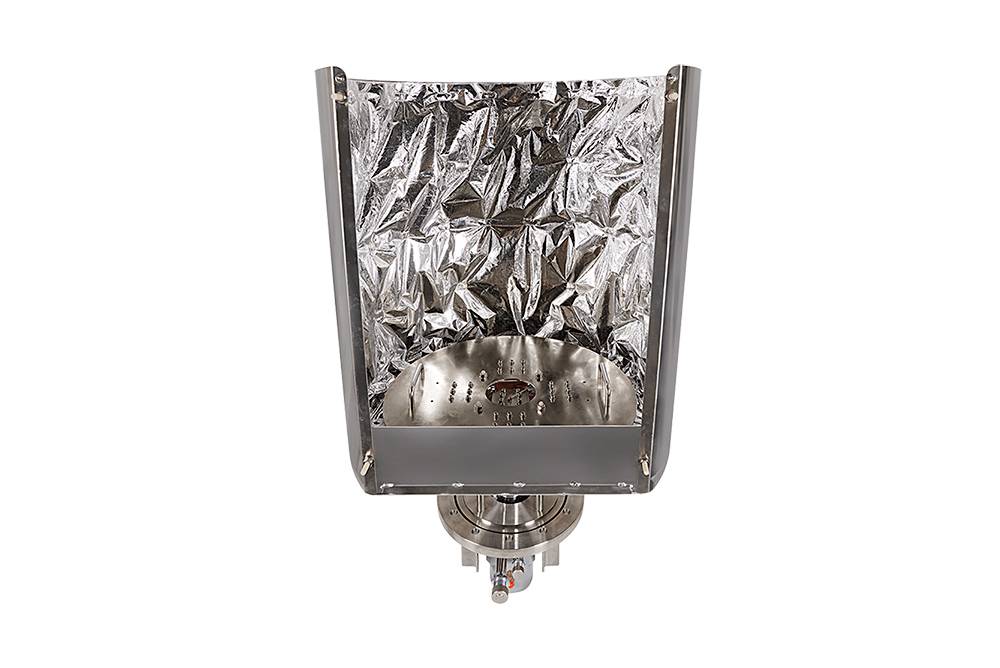
Standard cold plate: 250×250 mm² (These dimensions could be increased according to the client’s needs.)
The additional integration volume also provides margin for future QPU generations as processors, connectivity and associated equipment increase in size and complexity.
More usable volume today, More integration margin for tomorrow!
Easy QPU Access
Designed for installation, replacement and upgrade
QCube® platforms provide direct top access to the QPU, simplifying processor installation, removal and replacement.
Dedicated handling solutions and simplified tooling are designed to make QPU integration operations safer, faster and more repeatable.
This is particularly important during QPU development and industrialisation, when processor generations and experimental configurations may evolve frequently.
Direct top access • Simplified tooling • Easier QPU replacement • Reduced integration complexity
Magnetic Environment
Generating, controlling or shielding magnetic fields according to the QPU technology
The magnetic environment can be an integral part of QPU design and operation.
For some qubit technologies, a precisely controlled magnetic field is essential to qubit operation, while others require very low residual magnetic fields and dedicated shielding to preserve quantum performance.
Absolut System can take responsibility for the design, manufacturing and integration of superconducting or cryogenic magnet coils within the QPU Integration Platform, taking into account both the required magnetic-field performance and the specific constraints of the QPU environment.
Our system-level approach addresses the interaction between the magnetic system and the complete cryogenic platform, including: Magnetic-field requirements • Field homogeneity and stability • QPU geometry and available integration volume • Thermal loads and thermalisation • Current leads • Mechanical interfaces • Magnetic shielding • Electrical integration • Quench and safety considerations
The objective is to provide a magnetic environment engineered as part of the complete QPU Integration Platform, rather than treating the magnet as an independent subsystem.
From magnetic requirements to an integrated cryogenic solution: Design → Modelling → Manufacturing → Integration → Testing
Industrial-Grade Automation
Advanced cryogenics without complex day-to-day operation
Routine QPU operation should not require continuous support from cryogenic experts.
QCube® is designed to make advanced cryogenic operation increasingly transparent to QPU users.
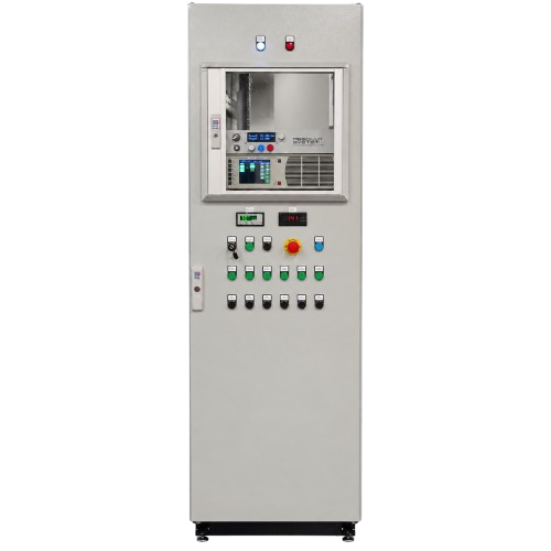
QCube® integrates an industrial-grade control and automation architecture designed for robust, repeatable and user-friendly operation.
Automated sequences can manage the main operating phases of the cryogenic system, reducing the level of cryogenic expertise required for routine operation.
The control system integrates: Automated operating sequences • Monitoring • Alarms • Interlocks • Safety functions • Diagnostics • Data acquisition, through a user oriented control interface.
Automated – Monitored – Protected – Repeatable
The objective is to make advanced cryogenics increasingly transparent to the quantum-computing user, allowing QPU teams to focus on quantum processor development and operation.
From experimental cryogenics to dependable quantum infrastructure
As quantum systems move from laboratory demonstrators towards industrial operation, cryogenic reliability and availability become as important as ultimate cryogenic performance.
QCube® applies Absolut System’s industrial system engineering approach throughout the complete system lifecycle: Requirements → Modelling → Architecture → Engineering → Manufacturing → Assembly & Integration → Testing → Commissioning → Operation → Maintenance
Reliability is considered from the architecture and component-selection phases through assembly, system-level testing and commissioning.
The objective is to provide stable, repeatable and dependable cryogenic operation, while facilitating diagnostics, maintenance and system recovery.
Robust design • Industrial components • Controlled assembly • System-level testing • Diagnostics • Maintainability • Serviceability
Each QCube® platform follows a controlled Manufacturing, Assembly, Integration and Test process, with component-level verification followed by system-level functional and performance testing before customer delivery.
Component verification → Controlled assembly → Integration → System testing → Performance verification → Customer acceptance
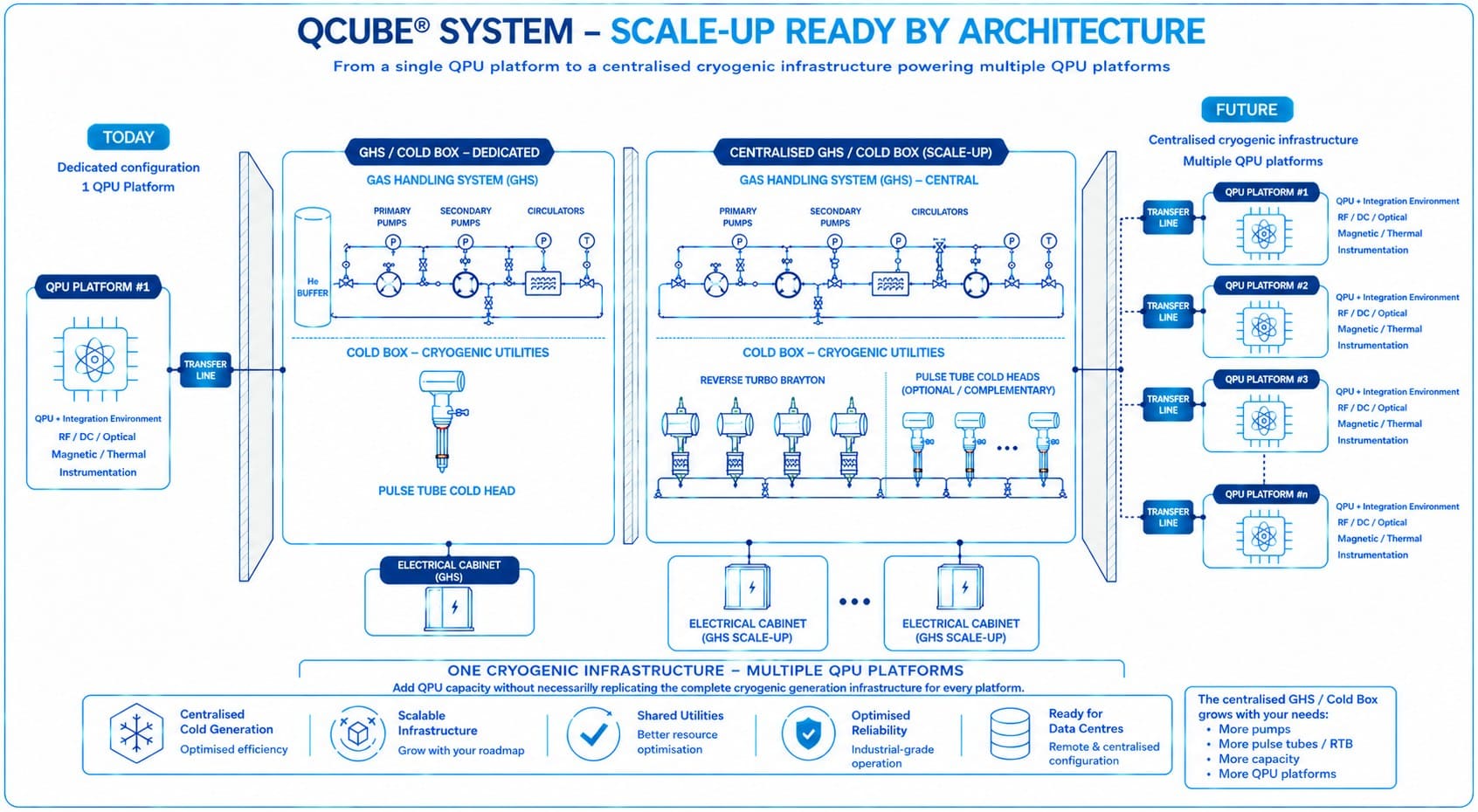
From one QPU Platform to centralised cryogenic infrastructure
QCube® has been designed from the outset with quantum scale-up in mind.
By physically separating cold generation and cryogenic utilities from the QPU Integration Platform, the QCube® architecture creates a natural path towards remote and increasingly centralised cryogenic infrastructures.
A first QCube® system can operate with dedicated cold generation equipment and GHS (Gas Handling System).
As the number of QPU platforms increases, the same architectural principle opens the way towards configurations where centralised cold generation and cryogenic utilities can support multiple QPU Integration Platforms.
One shared cryogenic infrastructure, Multiple QPU Integration Platforms!
Cold-generation capacity and pumping infrastructure can scale within a common cryogenic utility architecture as additional QPU platforms are deployed
QPU manufacturers are not developing a single quantum processor. They are building successive generations of increasingly powerful and complex quantum systems.
Their cryogenic infrastructure must therefore evolve with the same roadmap.
QCube® enables Absolut System to work with QPU manufacturers not only on the requirements of their current processor, but also on the future evolution of cooling power, connectivity, QPU integration capacity, automation, reliability and cryogenic infrastructure.
The first QCube® platforms are engineered to meet today’s QPU requirements while establishing an architecture capable of supporting tomorrow’s quantum scale-up.
Remote cold generation, separation of cryogenic utilities from the QPU environment, modular QPU Integration Platforms, industrial-grade automation and a system engineering approach provide the foundations for future large-scale cryogenic infrastructures.
This is at the heart of Absolut System’s ambition: to accompany QPU manufacturers throughout their scale-up journey by ensuring that their cryogenic infrastructure evolves together with their quantum processors.
Cryogenics should never become the bottleneck to quantum scale-up.
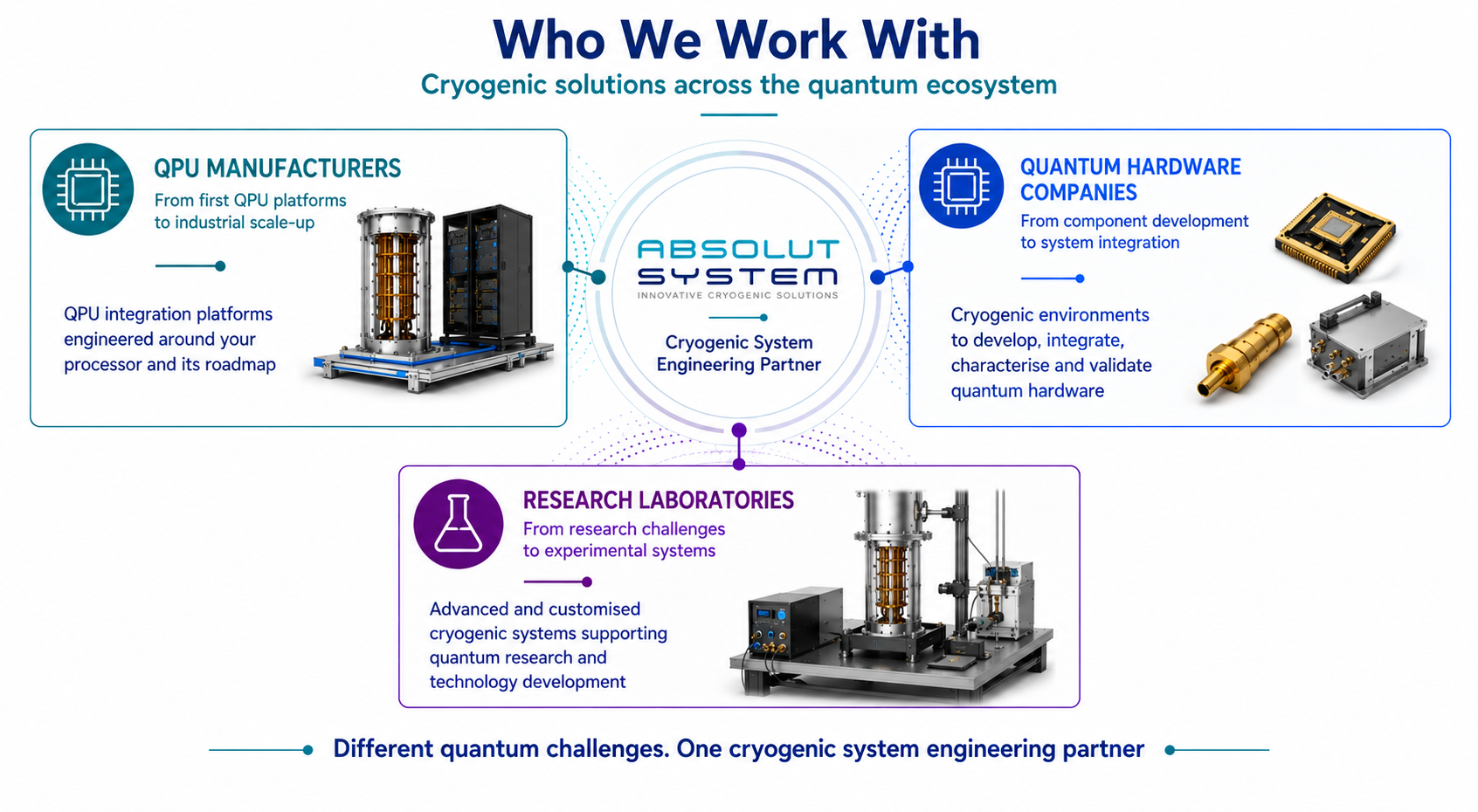
QPU MANUFACTURERS — Whether you are developing your first QPU platform or preparing the next generation of your quantum architecture, Absolut System works alongside your teams to define the cryogenic platform required today — and prepare the infrastructure required tomorrow
QUANTUM HARDWARE COMPANIES — Whether you are developing a quantum component or preparing its integration into a complete system, Absolut System provides the cryogenic environment required to develop, characterise, test and validate your technology
RESEARCH LABORATORIES — Whether you are exploring new quantum technologies or developing advanced experimental systems, Absolut System works alongside your research teams to design and develop the cryogenic solutions required to turn your concepts into operational demonstrators