Infrared imaging is used to detect heat-emitting objects. The higher the temperature of an object, the more infrared radiation it emits. Infrared imaging enables detection and monitoring in all lighting and weather conditions.
When the infrared detector is cooled to cryogenic temperature, the signal-to-noise ratio is improved, enabling detection of distant objects or small temperature differences. Currently, chillers are the main “wearing part” of these systems (annual maintenance on average).
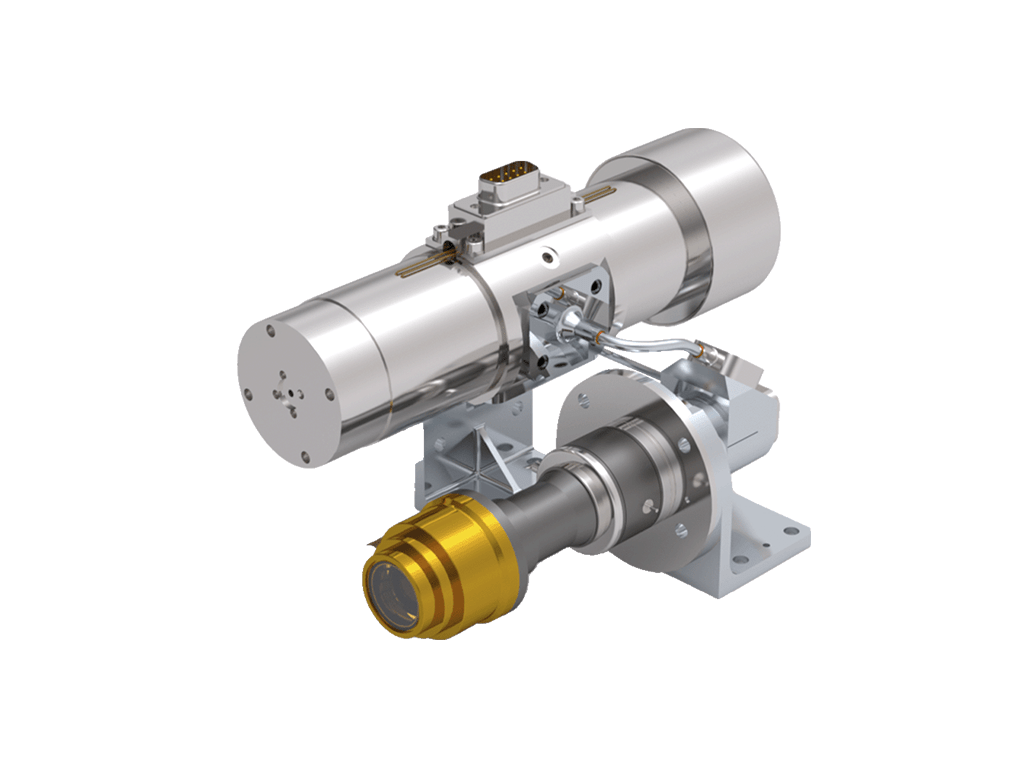
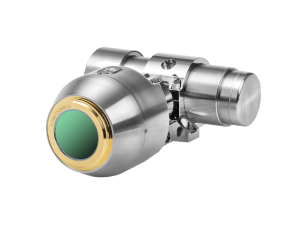
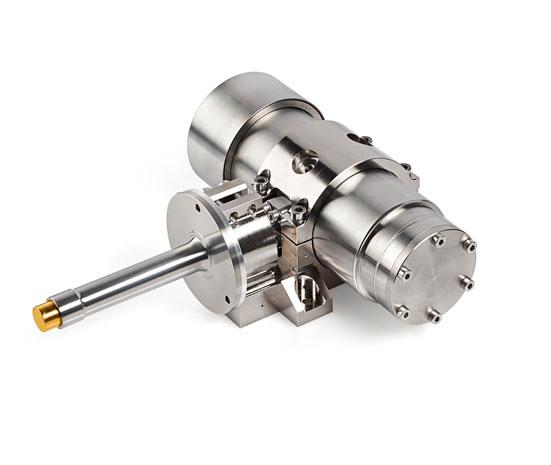
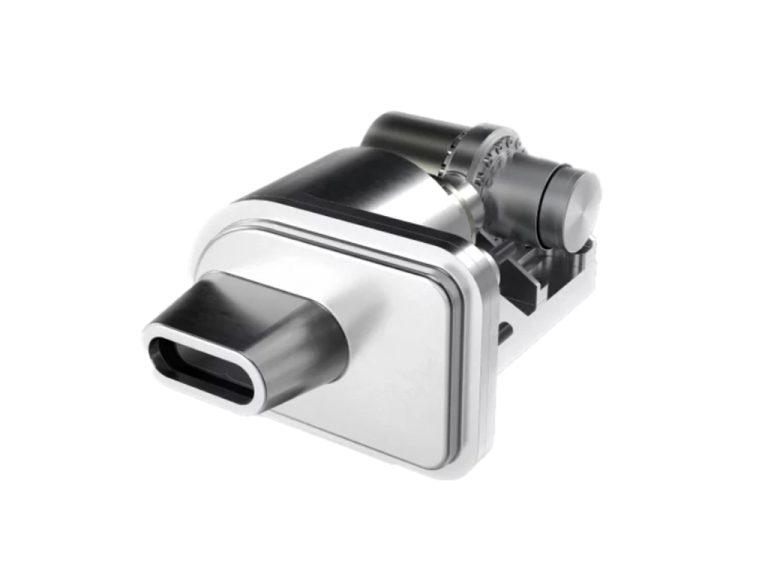
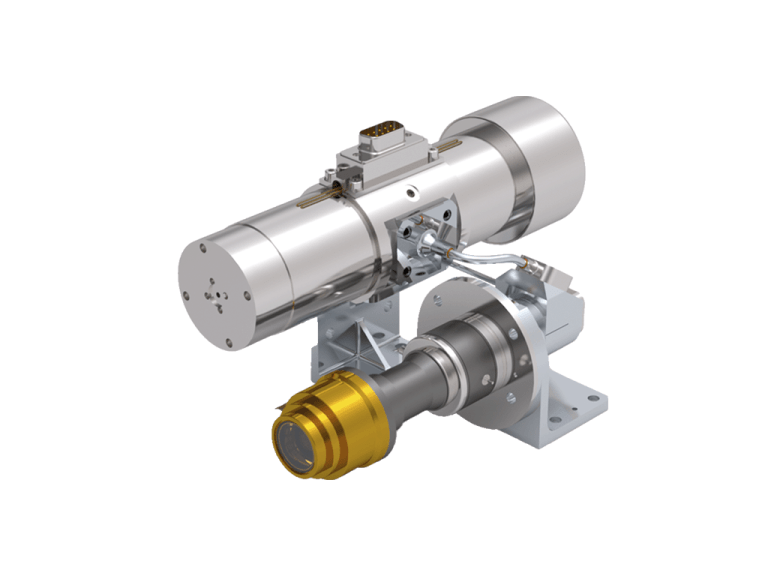
New-generation cameras incorporating the CRYASSY Focus will benefit from unrivalled reliability, in relatively small form factors.
This innovation is extremely interesting for HGH panoramic surveillance cameras. These cameras deliver 360° infrared images and provide 24/7 active surveillance for most applications.

Increasing the operating frequency of the miniaturized Pulse-Tube makes it possible to reduce component size. However, this miniaturization is accompanied by a number of technological hurdles to be overcome, such as :
Miniaturization of the flexible-bearing compressor;
Optimizing heat exchange within the cryogenic cooler, which becomes particularly critical as frequency increases.
Our teams of R&D engineers and technicians have produced a prototype cryogenic cooler adapted to terrestrial and space conditions.
Eventually, over a hundred infrared cameras incorporating the Pulse-Tube cooler will be produced and marketed worldwide by HGH. Observation satellites will be equipped with the miniature high-frequency Pulse-Tube designed by Absolut System.
Adapted for the CRYASSY Focus miniaturized cryogenic assembly, the new-generation Pulse-Tube is a perfect example of Absolut System’s innovative capabilities in detector cooling (optronics) and multispectral or hyperspectral infrared imaging.